Leave No Trace: 7 Principles for Responsible Hiking and Outdoor Travel
Spending time outdoors can be a wonderful way to explore nature, exercise, slow down, and discover places that look very different from everyday surroundings. But visiting natural areas also comes with a responsibility: enjoy them without unnecessarily damaging the places, wildlife, or communities around them.
The Leave No Trace approach provides a practical framework for doing exactly that.
Its seven principles are not about making outdoor travel complicated or expecting visitors to be perfect. They are simple guidelines that help hikers and travelers make thoughtful decisions before, during, and after an outdoor adventure.
The right approach can vary depending on the environment. A desert, forest, wetland, mountain, and heavily visited park may require different practices. Always follow local regulations and guidance from the relevant land manager.
Here is how to apply the seven principles in everyday hiking and outdoor travel.
1. Plan Ahead and Prepare
What It Means
Responsible outdoor travel starts before you reach the trail.
Planning ahead means learning about your destination and preparing for its conditions, rules, and practical requirements.
Before leaving, research:
- Trail distance and difficulty
- Weather
- Seasonal conditions
- Water availability
- Food requirements
- Transportation
- Camping rules
- Permits and reservations
- Wildlife guidance
- Local regulations
- Current closures or alerts
Why It Matters
Good preparation can help you avoid situations where you unintentionally damage an environment or create unnecessary problems.
For example, knowing that camping is only permitted in designated areas can prevent you from choosing an unsuitable campsite.
Similarly, knowing where water is available can help you avoid unnecessary trips away from established routes.
Practical Examples
If you are visiting a national park, check its official website before traveling. Look for current trail conditions, closures, parking information, and visitor rules.
For a remote trek, plan food and water carefully instead of assuming that supplies will be available along the route.
Common Mistakes
One common mistake is relying entirely on old social media posts or outdated trail descriptions.
Another is arriving without understanding local regulations.
Simple Actions You Can Take
- Check official information before your trip.
- Look at the weather forecast.
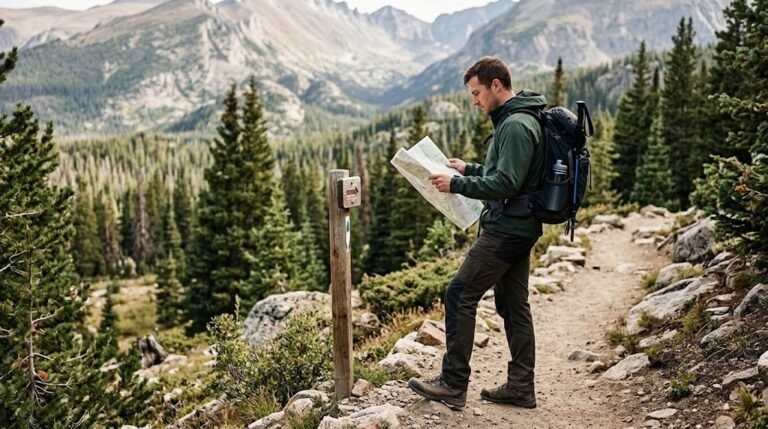
- Understand the route.
- Pack appropriately.
- Know where you can legally camp.
- Check permit requirements.
- Have a backup plan if conditions change.
For additional preparation advice, see EarthTrek’s Hiking Safety guide.
2. Travel and Camp on Durable Surfaces
What It Means
Use established trails, campsites, paths, and other surfaces that can handle regular use when they are available.
The goal is to avoid unnecessarily damaging vegetation, soil, and other sensitive areas.
Why It Matters
Repeated foot traffic can affect natural surfaces. Creating shortcuts can also turn a single informal path into a wider network of unofficial routes.
Camping in the wrong location can similarly damage vegetation or disturb sensitive areas.
Practical Examples
If a trail has a clearly marked route, stay on it rather than creating your own shortcut.
When camping, use a designated campsite where the park or land manager provides one.
In areas where dispersed camping is permitted, follow local guidance about where camping is appropriate.
Common Mistakes
A common mistake is taking shortcuts around a switchback because the destination appears closer.
Another is choosing a campsite simply because it has a beautiful view without checking whether camping there is allowed.
Simple Actions You Can Take
- Stay on designated trails where required.
- Use established campsites when available.
- Follow local camping guidance.
- Avoid trampling vegetation.
- Do not create unofficial shortcuts.
The correct practice can differ between environments, so always follow local instructions.
3. Dispose of Waste Properly
What It Means
Take responsibility for everything you bring outdoors.
That includes obvious waste such as food packaging as well as less noticeable items such as tissues and other personal waste.
Why It Matters
Waste can make natural areas unpleasant for other visitors and may also attract wildlife or create other local problems.
Even small pieces of litter can accumulate in heavily visited areas.
Practical Examples
Carry a small waste bag in your backpack.
If a trail does not have suitable bins, keep your waste with you until you reach an appropriate disposal point.
For overnight trips, learn the local requirements for human waste and sanitation before departure.
Common Mistakes
Some travelers assume that food scraps are harmless because they are biodegradable.
Leaving food behind is still a poor practice unless local guidance specifically says otherwise.
Another mistake is leaving small items such as fruit peels or tissues because they appear insignificant.
Simple Actions You Can Take
- Pack a waste bag.
- Carry out all packaging.
- Take food scraps with you.
- Use designated disposal facilities.
- Follow local sanitation rules.
- Avoid putting waste into streams or lakes.
A simple habit is to check your surroundings before leaving a rest stop or campsite.
4. Leave What You Find
What It Means
Natural and cultural features should generally remain where you find them.
That includes rocks, plants, flowers, shells, historical objects, and other features unless collecting them is specifically permitted.
Why It Matters
Natural environments are made up of countless interconnected features. Removing objects or damaging plants changes the place, even when the individual action seems small.
Cultural and historical sites may also have legal protections.
Practical Examples
Take photographs instead of taking flowers or interesting rocks home.
If you find an unusual natural feature, enjoy it where it is.
Do not carve your name into trees or rocks.
Common Mistakes
A common mistake is assuming that taking one small object cannot matter.
Another is moving natural objects to create a better photograph and then leaving them somewhere else.
Simple Actions You Can Take
- Photograph rather than collect.
- Leave plants growing naturally.
- Do not damage trees or rocks.
- Avoid touching sensitive features unnecessarily.
- Follow rules concerning cultural and historical objects.
The experience of finding something interesting can be enough. You do not need to own it to appreciate it.
5. Minimize Campfire Impacts
What It Means
Campfires should only be made where they are permitted and appropriate.
In some areas, fires may be restricted or completely prohibited.
Why It Matters
Fire can affect vegetation, soil, wildlife, and the appearance of campsites. Uncontrolled fires can also create serious local problems.
The appropriate approach varies greatly between environments and seasons.
Practical Examples
Before lighting a fire, check the current rules for the specific area.
If fires are permitted, use designated fire facilities when provided and follow local instructions.
In some situations, using a camping stove may be a more appropriate option than building a fire.
Common Mistakes
Never assume that because you see evidence of previous fires, campfires are automatically allowed.
Do not collect vegetation or cut living trees for fuel.
Do not leave a fire unattended.
Simple Actions You Can Take
- Check fire regulations before your trip.
- Use designated fire areas where required.
- Follow local restrictions.
- Consider a suitable camping stove where permitted.
- Never ignore fire bans.
- Make sure you understand local requirements for extinguishing fires.
If you are uncertain whether fires are allowed, check with the relevant land manager rather than guessing.
6. Respect Wildlife
What It Means
Observe wildlife without interfering with natural behavior.
Wild animals should not be treated like pets or approached simply because you want a closer photograph.
Why It Matters
Close interactions can disturb animals and may create unsafe situations for both wildlife and people.
Food is another important consideration. Animals that associate humans with food may behave differently around visitors.
Practical Examples
Watch animals from an appropriate distance.
Use binoculars or a camera’s zoom instead of approaching.
Keep food properly stored according to local requirements.
Common Mistakes
Common mistakes include:
- Feeding animals
- Chasing wildlife for photographs
- Approaching nests
- Trying to touch wild animals
- Leaving food scraps behind
- Ignoring posted wildlife guidance
Simple Actions You Can Take
- Keep your distance.
- Never feed wildlife.
- Do not disturb nests or dens.
- Store food appropriately.
- Keep pets controlled where permitted.
- Follow local wildlife instructions.
Wildlife rules can vary considerably by location and species, so research your destination before visiting.
7. Be Considerate of Other Visitors
What It Means
Responsible outdoor travel includes respecting other people who are sharing the same natural environment.
Everyone visits outdoor spaces for different reasons. Some people want conversation and social activity, while others are looking for quiet.
Why It Matters
Thoughtful behavior helps make trails and campsites more enjoyable for everyone.
It also includes respecting local residents and communities near outdoor destinations.
Practical Examples
Keep noise at a reasonable level.
If you are hiking in a group, avoid taking up the entire width of a narrow trail.
Give other visitors appropriate space.
Follow local trail etiquette regarding passing and yielding.
Common Mistakes
Examples include:
- Playing loud music
- Blocking narrow trails
- Ignoring posted rules
- Leaving belongings in shared areas
- Flying drones where they are restricted
- Treating local communities as part of the scenery rather than places where people live
Simple Actions You Can Take
- Keep group noise reasonable.
- Give other hikers space.
- Follow posted trail guidance.
- Respect local communities.
- Use designated areas for activities.
- Leave shared spaces clean.
Being considerate does not require complicated rules. A little awareness can make outdoor spaces more pleasant for everyone.
Simple Leave No Trace Checklist
Before and during your next outdoor trip, use this quick checklist:
Before You Go
- ☐ Check official local information
- ☐ Understand trail conditions
- ☐ Check weather
- ☐ Research permits and restrictions
- ☐ Plan food and water
- ☐ Learn about local wildlife
- ☐ Understand camping rules
On the Trail
- ☐ Stay on designated trails where required
- ☐ Use appropriate campsites
- ☐ Carry your waste
- ☐ Leave natural objects where they are
- ☐ Avoid disturbing plants and wildlife
- ☐ Follow fire regulations
- ☐ Respect other visitors
Before Leaving
- ☐ Check your campsite
- ☐ Collect all rubbish
- ☐ Make sure no personal items were left behind
- ☐ Leave the area as close as practical to its original condition
- ☐ Follow local waste-disposal requirements
How Responsible Travel Protects Natural Places
Responsible travel is not about expecting every visitor to have zero impact.
People will walk on trails, stay in accommodation, travel by vehicle, buy food, take photographs, and participate in outdoor activities. The practical goal is to reduce avoidable impacts and make thoughtful choices.
Planning can prevent unnecessary damage.
Staying on established trails can help avoid creating additional informal paths.
Carrying waste out prevents litter from being left behind.
Respecting wildlife allows visitors to observe animals without deliberately interfering with them.
Following fire restrictions helps visitors adapt to local conditions.
And being considerate of other visitors creates a better experience for everyone.
These principles are particularly useful because they can be adapted to different environments.
A responsible approach in a desert may look different from one in a wetland. A busy national park may require different visitor practices from a remote trekking route.
That is why Leave No Trace should be used alongside local regulations and guidance rather than as a replacement for them.
For more practical ideas about reducing your environmental impact while traveling, explore EarthTrek’s Sustainable Travel guide.
Final Thoughts
Leave No Trace is ultimately about making thoughtful choices.
You do not need to be an expert hiker or experienced environmentalist to practice responsible outdoor travel. Simple habits can become part of every trip.
Plan ahead. Stay on appropriate surfaces. Carry your waste. Leave natural features where they belong. Follow fire rules. Give wildlife space. Respect other visitors.
These actions are practical because they do not require perfection or expensive equipment.
Before visiting a new destination, take a few minutes to learn about its specific conditions and rules. Official park, land-management, or government information should take priority when local requirements differ from general outdoor advice.
And remember that responsible travel should not make you feel guilty about enjoying nature. The purpose is to help you enjoy outdoor places thoughtfully while reducing unnecessary disturbance.
The next time you head onto a trail, take the principles with you—not as a list of restrictions, but as a simple guide to being a considerate guest in the outdoors.
For additional EarthTrek resources, see: