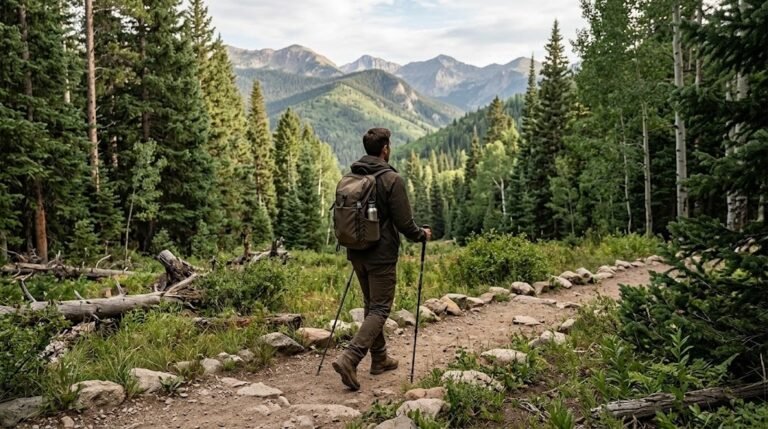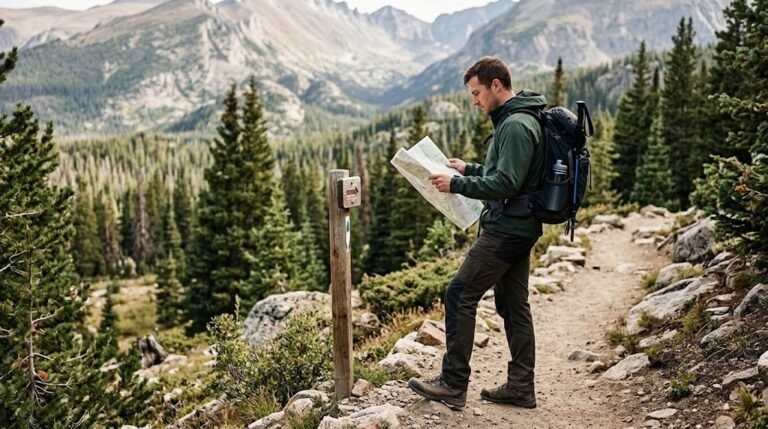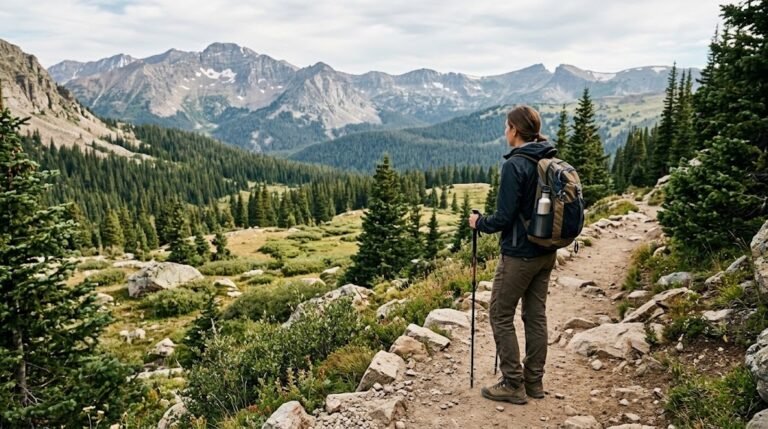
How to Prepare for Your First Multi-Day Trek
A multi-day trek can be a rewarding way to experience landscapes that cannot be fully explored in a single day. Instead of returning home after a few hours on the trail, you spend several days moving through a route, staying overnight, and adapting to changing terrain and conditions.
For a first-time trekker, however, the experience requires more preparation than an ordinary day hike. You need to think about everything you will need from the beginning of the route to the end of the trip, including food, water, clothing, sleeping arrangements, navigation, transportation, and emergencies.
The good news is that preparation does not mean choosing the most difficult route or buying every piece of outdoor equipment available. The best first trek is one that matches your experience, fitness, available time, and comfort level.
Route difficulty and equipment requirements vary considerably. A supported trek with accommodation and meals may require a relatively light backpack, while a self-supported camping route may require much more equipment.
This guide explains how to prepare realistically and build the skills needed for a successful first multi-day trek.
What Makes a Multi-Day Trek Different?
The biggest difference between a day hike and a multi-day trek is that you need to manage your energy and resources across several days.
During a day hike, you can usually return to your home, hotel, or vehicle at the end of the route. On a multi-day trek, you need to plan where you will sleep, what you will eat, how you will obtain water, and what you will do if your schedule changes.
A multi-day trek may involve:
- Several consecutive days of walking
- A heavier backpack
- Overnight accommodation or camping
- Greater food and water requirements
- More detailed navigation
- Changing weather
- Limited access to services
- More complicated transportation
You also need to consider recovery. A comfortable pace on the first day can make a significant difference to how you feel on later days.
If you are new to trekking, consider reading EarthTrek’s Hiking vs Trekking guide to understand how longer journeys differ from typical day hikes.
Choose the Right Route
Choosing an appropriate route is more important than buying equipment.
Your first multi-day trek should not be selected simply because it is famous or visually impressive. Look for a route that matches your current abilities.
Research:
- Total distance
- Distance per day
- Elevation gain and loss
- Terrain
- Trail conditions
- Navigation difficulty
- Weather
- Water availability
- Accommodation
- Resupply options
- Transportation
- Permits
- Seasonal restrictions
Consider Supported Treks
A supported trek can be a useful introduction to multi-day travel.
Depending on the destination, support may include accommodation, meals, luggage transfers, guides, or established camps.
This can allow you to concentrate on learning how your body responds to consecutive days of walking without having to carry every item yourself.
Avoid Technical or Dangerous Routes
Your first multi-day trek should not require advanced climbing, glacier travel, specialized rope systems, or other technical skills unless you have received appropriate training and are properly supported.
There is no advantage in choosing a route beyond your current experience.
Start with a manageable journey and build your skills gradually.
Start Physical Preparation
You do not need to be an elite athlete to complete a moderate multi-day trek, but your body should be prepared for repeated days of walking.
If you currently walk regularly, gradually increase the duration and difficulty of your walks.
Focus on building:
- Walking endurance
- Leg strength
- General cardiovascular fitness
- Balance
- Comfort with uneven terrain
- Ability to walk while carrying an appropriate backpack
If your route includes significant elevation gain, include hills or stairs in your preparation when practical.
Start gradually rather than dramatically increasing your activity in a short period.
Your training should prepare you for the actual demands of the route.
Build a Training Routine
A simple training routine can be more useful than occasional very difficult workouts.
For example, your routine could include regular walking during the week and a longer walk on a day when you have more time.
As your trek approaches, gradually practice longer outings and, where appropriate, consecutive days of walking.
This helps you understand:
- Your comfortable walking pace
- How much food and water you tend to need
- How your footwear performs
- How your backpack feels
- Where you develop discomfort
- How well you recover between outings
Do not use training as a reason to ignore pain or other concerning symptoms. If you have health concerns or are making a major change in physical activity, consider getting appropriate professional advice.
Choose a Backpack
Your backpack should match your trek rather than your ambitions.
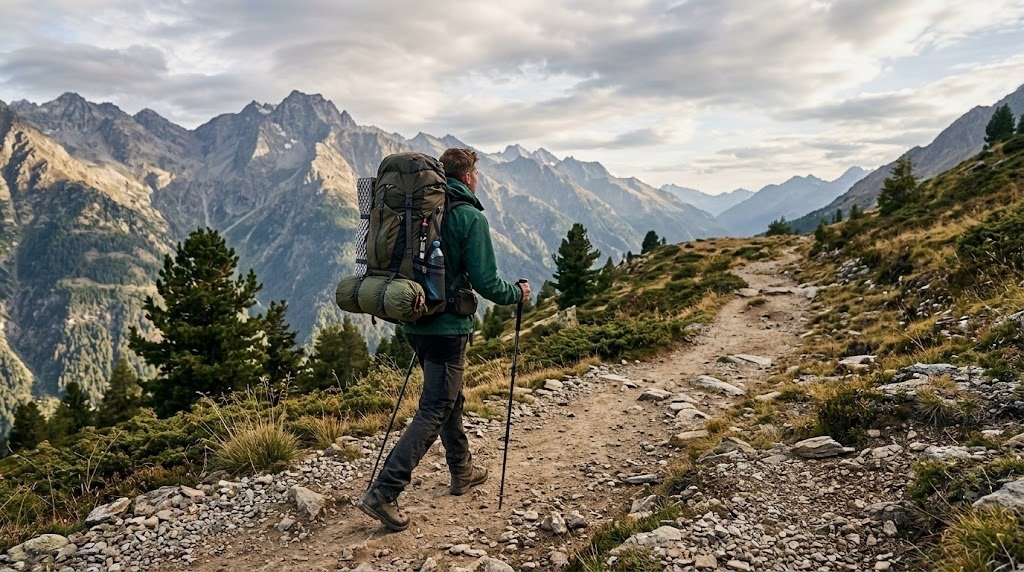
A day hike may require only a small pack, while a self-supported multi-day trek can require considerably more capacity.
When choosing a backpack, consider:
- Trip duration
- Sleeping equipment
- Food requirements
- Water capacity
- Clothing
- Personal equipment
- Whether you will have resupply
- Whether luggage is transported separately
A larger backpack is not automatically better.
Extra space can make it tempting to carry unnecessary equipment.
Fit is also important. A backpack should feel comfortable when properly adjusted and loaded.
Before your trek, practice walking with the backpack and the approximate load you expect to carry.
Clothing and Layering
Layering is useful because conditions can change throughout a trekking day.
A basic clothing system might include:
Base Layer
A comfortable layer worn next to the skin that manages moisture appropriately for the conditions.
Insulating Layer
A fleece, sweater, or other insulating layer can provide additional warmth.
Outer Layer
A suitable weather-resistant layer can protect against rain and wind.
You may also need:
- Hiking trousers
- Comfortable underwear
- Extra socks
- Warm hat
- Gloves
- Sun hat
- Rain protection
Avoid packing an excessive number of clothing changes. Instead, choose versatile layers that can work in different conditions.
Always consider the local climate and season.
Sleeping Equipment
Your sleeping requirements depend heavily on the type of trek.
If you are staying in established accommodation, you may need little or no sleeping equipment beyond personal items.
If you are camping, you may need:
- Tent
- Sleeping bag
- Sleeping mat
- Appropriate sleep clothing
Check the expected conditions before selecting sleeping equipment.
Do not assume that equipment suitable for a warm summer campsite will also be appropriate in colder or wetter environments.
If you are new to camping, practice setting up your tent and organizing your sleeping system before your trek.
Food and Water
Food planning becomes more important when you are away from shops and restaurants for several days.
Determine where you will obtain food and whether the route has reliable resupply points.
Depending on the trek, you may carry:
- Breakfast items
- Lunches
- Dinners
- Snacks
- Drinks or drink ingredients
- Emergency food
Choose foods that are practical to transport and suitable for the expected conditions.
Examples include:
- Oats
- Dried fruit
- Nuts
- Trail mix
- Crackers
- Energy bars
- Dehydrated meals
- Sandwich ingredients where practical
Water Planning
Determine where you can obtain water along the route.
Do not assume that natural water sources are safe to drink. If you plan to collect water from streams or other natural sources, research local conditions and use an appropriate treatment method when necessary.
Carry sufficient capacity for the distance between reliable water sources.
Navigation
Navigation becomes increasingly important as a trek becomes longer or more remote.
Before departure:
- Study the complete route
- Download offline maps
- Save important route information
- Understand trail markers
- Check possible alternative routes
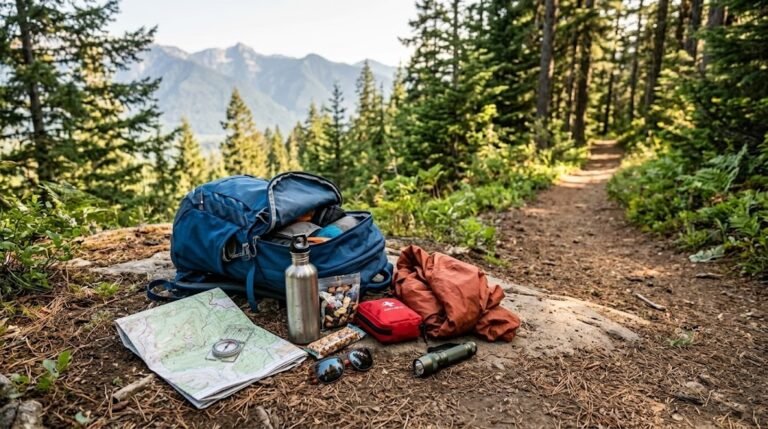
- Carry a physical map when appropriate
- Consider a compass for routes where independent navigation is needed
Do not rely exclusively on mobile phone coverage.
A phone can lose battery, become damaged, or lose reception.
Practice using your navigation system before the trek rather than trying to understand it for the first time on the trail.
If a route requires advanced navigation skills that you do not have, choose a more suitable route or travel with appropriate guidance.
First Aid and Emergency Preparation
Carry a first-aid kit appropriate for the trek.
For many multi-day routes, basic supplies may include:
- Adhesive bandages
- Gauze
- Medical tape
- Wound-cleaning supplies
- Blister treatment
- Disposable gloves
- Personal medication
Do not carry complicated medical equipment unless you understand how to use it.
Your emergency preparation should also include:
- Charged phone
- Power bank
- Navigation tools
- Headlamp
- Emergency blanket
- Whistle
- Weather protection
- Extra food where appropriate
Tell someone your itinerary and expected return.
For remote routes, understand the local emergency system before starting.
Weather Preparation
Weather can change quickly, particularly in mountainous areas.
Check the forecast before departure and continue checking reliable updates when possible.
Prepare for the conditions you are likely to encounter, not only the weather you hope to experience.
Consider:
- Rain
- Wind
- Cold
- Heat
- Snow
- Visibility
- Storms
If severe conditions are forecast, reconsider the trip.
During the trek, be willing to change your plans if conditions deteriorate.
A route that is manageable in dry weather may become considerably more difficult after heavy rain or snowfall.
Daily Trekking Routine
A consistent daily routine can make a multi-day trek easier.
Start each day by checking:
- Weather
- Route
- Water availability
- Food supplies
- Expected walking time
- Accommodation
- Any updated local information
Avoid starting each day at an unnecessarily fast pace.
Take reasonable breaks and eat before you become excessively tired.
Keep frequently used items accessible so you do not need to unpack your entire backpack repeatedly.
At the end of each day, prepare for the next morning.
Refill water where appropriate, organize your equipment, check the weather, and confirm the next day’s route.
Rest and Recovery
Recovery matters because the physical demands continue across multiple days.
Do not treat every day as a race.
A comfortable pace can help you preserve energy for later sections of the route.
During breaks, use the time to eat, drink, adjust clothing, and check how you are feeling.
At the end of the day, allow yourself enough time to rest and sleep.
If you develop significant pain, feel unwell, or cannot safely continue, reassess the plan rather than assuming you must complete the itinerary exactly as originally designed.
Leave No Trace
Multi-day trekking can create a larger environmental impact because you spend more time in natural areas.
Minimize your impact by:
- Staying on designated trails
- Carrying out your waste
- Following local sanitation rules
- Avoiding damage to vegetation
- Respecting wildlife
- Keeping food properly stored
- Following fire restrictions
- Using designated campsites when required
- Leaving natural objects where you find them
Local environmental rules may differ, so always follow the guidance provided by the relevant park, land manager, or local authority.
For additional ideas, see EarthTrek’s Sustainable Travel guide.
Common Beginner Mistakes
Choosing Too Difficult a Route
A first trek should build confidence rather than test the limits of your experience.
Carrying Too Much
Pack according to the actual requirements of the route.
Carrying Too Little
Do not remove essential safety equipment simply to reduce weight.
Ignoring Elevation
Distance does not tell the whole story. Elevation gain can substantially increase the effort required.
Failing to Test Equipment
Try your footwear, backpack, tent, cooking equipment, and other important gear before departure.
Starting Too Fast
An aggressive pace on day one can leave you unnecessarily tired later.
Poor Water Planning
Know where reliable water sources are and whether treatment is required.
Ignoring Weather
Always check current forecasts and be prepared to change your plans.
Forgetting the Return Plan
Know how and when you will finish the trek and how you will get home.
Multi-Day Trek Checklist
Gear
- ☐ Backpack
- ☐ Tent if camping
- ☐ Sleeping bag
- ☐ Sleeping mat
- ☐ Headlamp
- ☐ Water bottles or reservoir
- ☐ Water-treatment equipment if required
- ☐ First-aid kit
- ☐ Emergency blanket
- ☐ Whistle
- ☐ Power bank
- ☐ Appropriate cooking equipment if required
- ☐ Trekking poles if useful for the route
Clothing
- ☐ Hiking trousers or shorts
- ☐ Base layers
- ☐ Insulating layer
- ☐ Weatherproof outer layer
- ☐ Extra socks
- ☐ Warm hat
- ☐ Gloves when appropriate
- ☐ Sun hat
- ☐ Comfortable hiking footwear
- ☐ Sleep clothing
Food
- ☐ Breakfast
- ☐ Lunch
- ☐ Dinner
- ☐ Snacks
- ☐ Extra food where appropriate
- ☐ Water
- ☐ Water-treatment method if required
- ☐ Cooking supplies if camping independently
Navigation
- ☐ Route information
- ☐ Offline maps
- ☐ Physical map where appropriate
- ☐ Compass where appropriate
- ☐ GPS device if useful
- ☐ Backup navigation information
Safety
- ☐ First-aid supplies
- ☐ Personal medication
- ☐ Charged phone
- ☐ Power bank
- ☐ Headlamp
- ☐ Emergency blanket
- ☐ Whistle
- ☐ Weather protection
- ☐ Emergency contact information
- ☐ Local emergency information
Documents
- ☐ Identification
- ☐ Permits
- ☐ Accommodation confirmations
- ☐ Transportation details
- ☐ Travel insurance information where applicable
- ☐ Emergency contact details
- ☐ Relevant park or trail information
Final Preparation
In the final days before your trek, review your entire plan rather than simply checking whether your backpack is packed.
Confirm the route, weather forecast, transportation, accommodation, permits, water sources, and current trail conditions.
Check every important piece of equipment.
Wear your hiking footwear during preparation walks. Test your backpack with an appropriate load. Practice using your navigation tools. If camping, set up your tent and sleeping system before the trip.
Then look at the overall itinerary.
Ask yourself:
- Is the route appropriate for my experience?
- Can I comfortably manage the daily distances?
- Do I know where I will sleep?
- Do I know where I will obtain water?
- Do I understand the navigation requirements?
- Have I prepared for likely weather conditions?
- Does someone know my plans?
- What will I do if conditions change?
If you cannot answer these questions confidently, take more time to prepare.
Your first multi-day trek does not need to be an extreme adventure. A well-planned, moderate route can teach you valuable skills while allowing you to enjoy the experience without unnecessary risk.
The most important principle is to match your route, equipment, training, and expectations to your actual experience. Conditions and requirements vary from one destination to another, so always check current official local information before departure.
With sensible preparation, a realistic itinerary, and a willingness to adapt, a multi-day trek can be an enjoyable next step after gaining confidence through day hikes.