How to Plan a National Park Hiking Trip
A national park hiking trip can be an excellent way to experience forests, mountains, lakes, deserts, coastlines, and other natural landscapes. But visiting a national park requires more planning than simply choosing a trail and showing up.
Every park is different. Rules, permits, opening hours, road access, parking, wildlife, weather, trail conditions, and available facilities vary by location and season.
The most reliable approach is to use official park or government information as your primary source before traveling. Online trail guides and visitor reviews can provide useful context, but they may not reflect current conditions.
A good national park trip balances three things: choosing a suitable trail, preparing for local conditions, and respecting the environment and park rules.
Start by Researching the Park
Begin your planning by learning about the park itself.
Visit the official park or government website when one is available. Look for current visitor information, maps, alerts, closures, regulations, and seasonal guidance.
Research:
- Park opening information
- Visitor centers and facilities
- Main entrances
- Trail systems
- Seasonal closures
- Road conditions
- Camping areas
- Accommodation options
- Permit requirements
- Parking information
- Wildlife guidance
- Current alerts
Pay attention to the date of the information you find. A trail description from several years ago may not accurately describe current conditions.
Also consider the park’s size. Some national parks are relatively compact, while others cover enormous areas. Do not assume that two attractions located within the same park are necessarily close together.
Choose the Right Hiking Trails
Choosing the right trail is one of the most important parts of your trip.
Do not select a trail based only on photographs or popularity. Look at the actual characteristics of the route.
Consider:
- Distance
- Elevation gain
- Terrain
- Estimated duration
- Trail difficulty
- Navigation requirements
- Exposure to weather
- Water availability
- Seasonal conditions
- Your own experience
A short trail with steep elevation gain may require considerably more effort than a longer, relatively flat route.
If you are new to hiking, consider starting with a well-established trail whose difficulty matches your current ability.
You should also consider the time available. Trying to fit several demanding trails into one day can turn an enjoyable trip into a rushed one.
For more beginner guidance, see EarthTrek’s Hiking for Beginners guide.
Check Permits and Reservations
Permit and reservation systems differ significantly between parks.
Some trails, campsites, parking areas, or special activities may require advance reservations or permits, while others may not.
Do not assume that a permit system works the same way everywhere.
Check the official park or government website for information about:
- Entry requirements
- Hiking permits
- Camping permits
- Parking reservations
- Backcountry permits
- Special-use permits
- Timed entry systems
- Reservation release dates
- Fees
- Seasonal restrictions
Check these requirements before traveling rather than waiting until you arrive.
Some reservations may have limited availability during busy periods. If a permit or reservation is required, make sure you understand exactly what it covers.
Also check whether a reservation for one part of the park gives you access to other areas. Do not assume that it does.
Understand Park Rules
National parks protect natural and cultural resources, so visitors are expected to follow local rules.
Rules can differ from one park to another.
Depending on the destination, regulations may cover:
- Camping
- Fires
- Pets
- Food storage
- Fishing
- Swimming
- Drones
- Wildlife
- Collection of natural objects
- Waste disposal
- Off-trail travel
- Parking
- Photography
Always check the current official rules for the specific park.
For example, a rule that applies to pets in one park may not be the same in another. Similarly, camping may only be permitted in designated locations.
Do not rely on assumptions based on another national park you have visited.
Check Weather and Trail Conditions
Weather can have a major effect on a hiking trip.
Before leaving, check a reliable forecast for the park and review any official trail-condition updates.
Consider:
- Temperature
- Rain
- Snow
- Wind
- Thunderstorms
- Visibility
- Heat
- Sunrise and sunset
- Seasonal hazards
Weather at the trailhead may not represent conditions elsewhere in the park, particularly in mountainous areas.
Trail conditions can also change because of storms, flooding, snow, fallen trees, erosion, landslides, or other events.
Check official alerts as close to your departure as practical.
If a trail is closed or conditions are unsuitable, choose an alternative rather than trying to bypass restrictions.
Plan Transportation and Parking
Transportation is an important part of national park planning.
Some parks have extensive road networks, while others may have limited vehicle access or seasonal restrictions.
Before your trip, determine:
- Which entrance you need
- How long it takes to reach the trailhead
- Whether parking is available
- Whether parking requires a reservation
- Whether shuttle services operate
- Whether roads have seasonal closures
- Where you can safely leave your vehicle
Do not assume that arriving early always guarantees parking. Some parks use reservation or shuttle systems during busy periods.
If a shuttle operates, check its current schedule and pickup locations.
Also account for the time required to travel between different areas of a large park. A map can make locations look close together even when driving between them takes much longer.
Food and Water
Your food and water plan should match the length and difficulty of your hike.
For a short hike, a bottle of water and a few snacks may be sufficient. Longer or more demanding routes require more careful planning.
Bring:
- Enough water for the planned hike
- Food or snacks
- Additional water capacity when appropriate
- A suitable water-treatment method if using natural water sources
Never assume that natural water is automatically safe to drink.
If you intend to collect water from streams, lakes, or springs, research the local situation and understand appropriate treatment methods.
For food, choose practical items that can tolerate the expected conditions.
Options include:
- Sandwiches
- Nuts
- Trail mix
- Fruit
- Dried fruit
- Granola or energy bars
Follow the park’s food-storage rules, particularly in areas where wildlife may be attracted to human food.
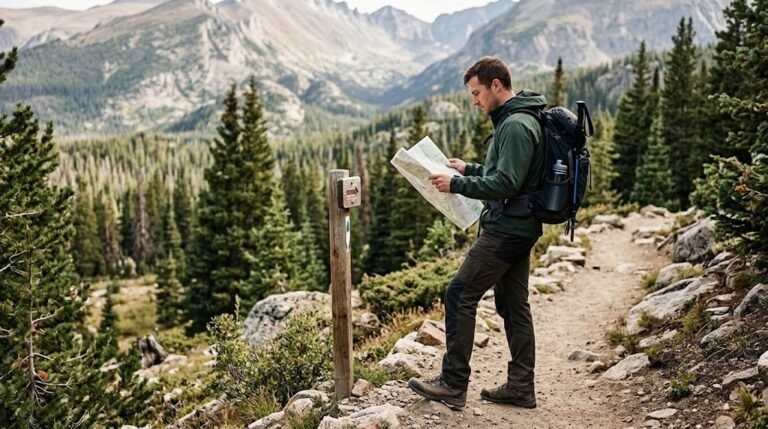
Navigation
Do not assume that national park trails will always be perfectly marked.
Before starting your hike, understand the route and download maps where possible.
Useful navigation resources may include:
- Official park maps
- Offline digital maps
- Trail signs
- Physical maps
- Compass
- GPS devices where appropriate
Your phone can be useful, but do not make it your only navigation method in a remote area.
Mobile coverage can be limited, and batteries can run out.
For simple, well-marked trails, you may not need extensive navigation equipment. For remote routes, however, understanding your location and route becomes much more important.
Wildlife Safety
National parks are home to wildlife, and visitors should understand how to behave around animals.
Wildlife rules and recommended practices vary by location and species, so always follow the park’s official guidance.
General principles include:
- Do not approach wild animals
- Never feed wildlife
- Keep appropriate distance
- Store food according to local requirements
- Keep pets under control where permitted
- Do not disturb nests or dens
- Follow posted wildlife warnings
If you encounter an animal, remain calm and follow the specific guidance provided by the park.
Do not assume that the correct response to one species is the same as the correct response to another.
Wildlife behavior can also change depending on season, food availability, and other local conditions.
Leave No Trace
Responsible hiking helps protect the places you visit.
A useful approach is to minimize your impact and follow the park’s specific environmental rules.
Good practices include:
- Stay on designated trails where required
- Carry out your waste
- Avoid damaging plants
- Leave rocks, plants, and other natural objects where you find them
- Respect wildlife
- Keep noise under control
- Use designated camping areas when required
- Follow fire restrictions
- Avoid disturbing cultural or historical sites
Do not assume that biodegradable items can simply be left behind. Follow local waste and sanitation requirements.
Responsible travel is especially important in popular natural areas because repeated visitor impact can gradually damage trails, vegetation, and wildlife habitat.
EarthTrek’s Sustainable Travel guide can provide additional ideas for reducing your environmental impact.
Emergency Planning
A national park can be remote even when it receives many visitors.
Before your hike, think about what you would do if you became lost, injured, delayed, or caught in changing weather.
Carry appropriate essentials such as:
- Basic first-aid supplies
- Navigation tools
- Charged phone
- Power bank for longer outings
- Headlamp or flashlight
- Extra food
- Adequate water
- Weather protection
- Emergency contact information
Tell someone where you are going, particularly if you plan to hike alone or visit a remote area.
Share your planned route and expected return time when appropriate.
Also identify the relevant local emergency contact information before your trip.
For more detailed preparation, see EarthTrek’s Hiking Safety Tips.
Choosing Accommodation
Your accommodation can affect how much hiking you can realistically fit into your trip.
Options may include:
- Hotels
- Lodges
- Guesthouses
- Campsites
- Cabins
- Other designated accommodation
Some parks have accommodation inside the park, while others have more options in nearby communities.
When choosing where to stay, consider:
- Distance from your planned trailheads
- Road access
- Check-in times
- Availability of food
- Parking
- Seasonal operation
- Cancellation policies
For a large park, staying on one side may make some trails much more convenient than others.
Avoid creating an itinerary that requires long drives immediately before and after demanding hikes.
Creating a Realistic Itinerary
A good itinerary gives you enough time to enjoy the park rather than rushing between attractions.
Start by choosing your priority activities.
For example:
Day 1: Arrival, visitor information, short trail
Day 2: Main hiking route
Day 3: Second hike or scenic area, followed by departure
Build flexibility into your schedule.
Do not fill every available hour with activities. Delays can occur because of traffic, parking, weather, trail conditions, shuttle schedules, or simply because you want to spend longer at an interesting location.
When estimating hiking time, consider breaks, photographs, meals, navigation, and changes in conditions.
Most importantly, leave enough daylight and energy for the return journey.
What to Do If Conditions Change
Your original itinerary should not be treated as a fixed promise.
If the weather changes, a trail closes, or conditions become unsuitable, adjust your plans.
Possible alternatives include:
- Choosing a shorter trail
- Visiting a lower-elevation area
- Exploring an approved scenic area
- Moving the hike to another day
- Spending more time at a visitor center
- Leaving the park earlier
Do not ignore official closures or warning signs because a route appears accessible.
Similarly, if you begin a hike and conditions become significantly worse, turning around is a sensible option.
A successful national park trip is not measured by how many trails you complete.
National Park Trip Checklist
Use this as a general planning checklist. Adapt it to the specific park you are visiting.
Research
- ☐ Check the official park website
- ☐ Review current alerts and closures
- ☐ Research suitable trails
- ☐ Check trail difficulty
- ☐ Check seasonal conditions
- ☐ Learn about local wildlife
- ☐ Read current park rules
Permits and Reservations
- ☐ Check entry requirements
- ☐ Check hiking permits
- ☐ Check camping requirements
- ☐ Check parking reservations
- ☐ Check timed-entry requirements
- ☐ Confirm reservation details
Transportation
- ☐ Plan your route to the park
- ☐ Check road conditions
- ☐ Confirm parking arrangements
- ☐ Check shuttle schedules
- ☐ Allow extra travel time
Hiking Equipment
- ☐ Water
- ☐ Food and snacks
- ☐ Navigation tools
- ☐ Appropriate footwear
- ☐ Weather protection
- ☐ Sun protection
- ☐ Basic first-aid supplies
- ☐ Charged phone
- ☐ Power bank
- ☐ Headlamp or flashlight when appropriate
- ☐ Emergency contact information
Responsible Travel
- ☐ Follow designated trails
- ☐ Follow wildlife guidance
- ☐ Carry out waste
- ☐ Follow fire restrictions
- ☐ Respect local communities
- ☐ Avoid disturbing wildlife
- ☐ Leave natural and cultural objects where they are
Before Starting Your Hike
- ☐ Check the latest weather
- ☐ Check current trail conditions
- ☐ Confirm the trail is open
- ☐ Tell someone your plans
- ☐ Know your turnaround point
- ☐ Confirm you have enough daylight
Planning a national park hiking trip does not have to be complicated. The key is to research the specific park rather than assuming that every national park operates in the same way.
Rules, permits, closures, parking arrangements, trail conditions, wildlife guidance, and facilities can vary significantly between locations and seasons. Always verify current information through official park or government sources before traveling.
For beginners, choosing a manageable trail and leaving room for flexibility is usually more useful than trying to see everything in one visit.
The best national park trips combine preparation with flexibility. Know your route, check the conditions, carry appropriate supplies, respect the rules, and be willing to change your plans when circumstances require it.
Suggested Internal Links
- Hiking for Beginners — Practical advice for choosing and preparing for a first hike.
- Hiking Safety Tips — Essential guidance for route planning, weather, navigation, emergencies, and decision-making.
- What to Pack for a Day Hike — A detailed checklist covering water, food, navigation, clothing, first aid, and emergency essentials.
- Hiking vs Trekking — Explains how day hiking and longer trekking journeys commonly differ.
- Sustainable Travel — Tips for exploring natural destinations responsibly and reducing environmental impact.