10 Types of Nature Destinations Every Outdoor Traveler Should Explore
Nature travel does not have to mean climbing a famous mountain or visiting a destination that appears on every travel list. The natural world offers an enormous variety of landscapes, and each environment provides a different type of experience.
Some travelers enjoy the challenge of mountain trails. Others prefer quiet forests, peaceful lakes, dramatic coastlines, or the open space of a desert. Families may want accessible nature areas with manageable walking routes, while photographers may be more interested in changing light, wildlife, and distinctive landscapes.
Understanding the different types of nature destinations can help you choose trips based on what you actually enjoy rather than simply following popular recommendations.
Below are 10 types of natural environments worth exploring, along with practical considerations for planning a responsible visit.
1. National Parks
National parks are protected natural areas created to conserve landscapes, wildlife, ecosystems, cultural resources, or a combination of these.
They can contain many different environments within one destination, including forests, mountains, lakes, valleys, rivers, deserts, and coastlines.
What Makes Them Special?
National parks can provide access to significant natural landscapes while offering established visitor infrastructure in some areas.
Depending on the park, visitors may find:
- Hiking trails
- Scenic viewpoints
- Visitor centers
- Wildlife-watching opportunities
- Camping areas
- Educational programs
- Scenic drives
Who May Enjoy Them?
National parks can suit many types of travelers because they often offer activities at different difficulty levels.
Beginners may choose short, well-established trails, while experienced hikers may find longer or more demanding routes.
Families can also look for accessible trails and visitor facilities.
What to Consider Before Visiting
Rules, permits, closures, parking, transportation, and trail conditions vary between parks.
Always check official park or government information before visiting.
Environmental Considerations
Protected areas still experience visitor pressure.
Stay on designated trails, follow wildlife guidance, carry out waste, and respect local regulations.
For more planning advice, see EarthTrek’s How to Plan a National Park Hiking Trip.
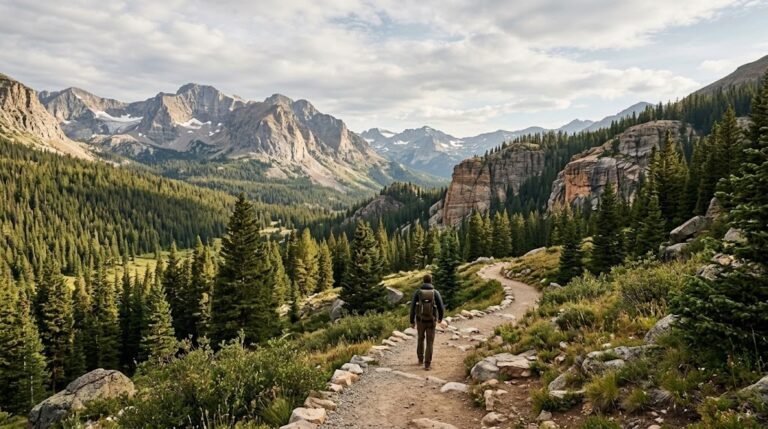
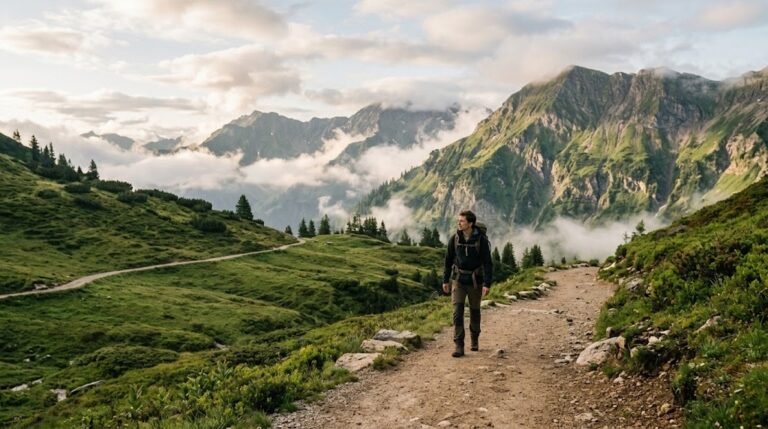
2. Mountains
Mountains offer some of the most dramatic landscapes available to outdoor travelers.
They can range from gentle hills and accessible viewpoints to high, rugged environments requiring advanced skills.
What Makes Them Special?
Mountains provide changing perspectives, elevation, valleys, ridgelines, forests, and sometimes snow-covered landscapes.
The scenery can also change significantly as elevation increases.
Activities
Depending on the destination and season, activities may include:
- Hiking
- Trekking
- Scenic drives
- Photography
- Wildlife observation
- Camping
- Guided outdoor activities
Technical climbing and other specialized activities require appropriate skills and preparation.
Who May Enjoy Them?
Mountain destinations can appeal to adventurous travelers, photographers, hikers, and people who enjoy dramatic scenery.
Beginners should choose routes appropriate for their experience rather than assuming every mountain trail is suitable.
What to Consider
Mountain weather can change quickly.
Research elevation, terrain, weather, trail conditions, transportation, and local guidance before setting out.
For practical planning advice, read Mountain Travel for Beginners.
Environmental Considerations
Mountain ecosystems can be sensitive to foot traffic, waste, and disturbance.
Stay on designated routes where required and follow local conservation rules.
3. Forests
Forests provide a very different experience from exposed mountain landscapes.
They can range from tropical forests and temperate woodlands to boreal environments and dry forests.
What Makes Them Special?
Forests offer shade, vegetation, wildlife habitat, changing seasons, and a sense of immersion in nature.
The landscape can also change considerably depending on the type of forest.
Activities
Visitors can enjoy:
- Hiking
- Birdwatching
- Photography
- Nature walks
- Wildlife observation
- Camping where permitted
- Scenic drives
Who May Enjoy Them?
Forests can be particularly appealing to travelers who prefer shaded trails, wildlife, plants, and quieter surroundings.
Families may also find suitable forest walks, provided the route is appropriate for the group’s ability.
What to Consider
Some forest environments can make navigation more difficult because visibility is limited and trails may intersect.
Check weather and trail conditions, particularly after heavy rain.
Environmental Considerations
Avoid damaging vegetation or leaving established trails unnecessarily.
Do not remove plants, flowers, branches, or other natural objects.
Keep food and waste appropriately secured where wildlife guidance requires it.
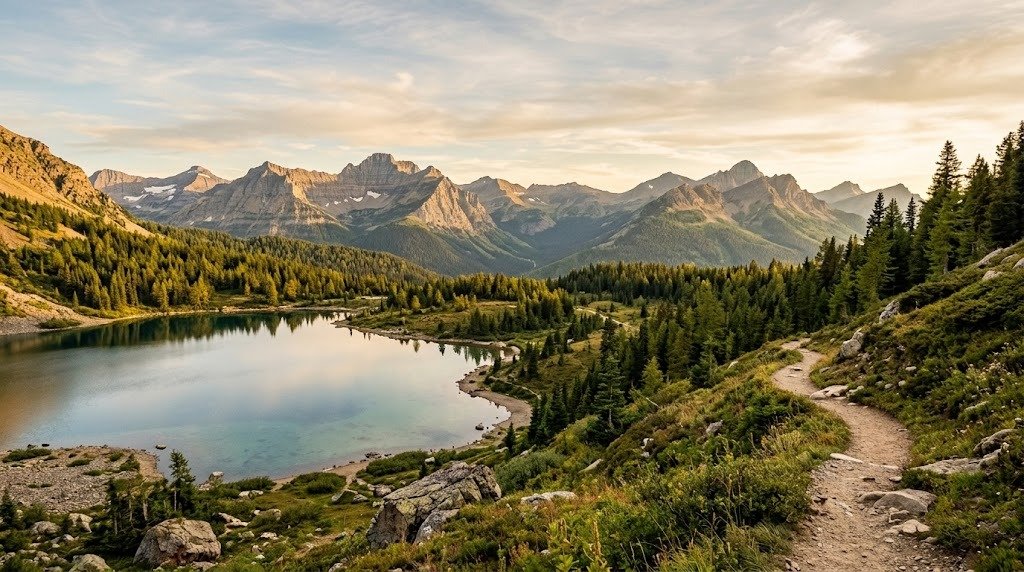
4. Lakes
Lakes combine open water with surrounding landscapes and can offer a relaxing alternative to more demanding mountain environments.
They may be surrounded by forests, hills, mountains, grasslands, or desert landscapes.
What Makes Them Special?
Lakes can provide peaceful scenery, reflections, wildlife habitat, and opportunities to enjoy water and land-based activities in the same area.
Activities
Depending on local regulations, activities may include:
- Hiking
- Photography
- Birdwatching
- Boating
- Fishing
- Swimming
- Picnicking
- Camping
Not every lake permits every activity, so check local rules.
Who May Enjoy Them?
Lakes can appeal to families, photographers, casual travelers, and people looking for a slower outdoor experience.
What to Consider
Weather can affect conditions on and around open water.
If swimming or boating is permitted, follow local safety guidance and understand the conditions before entering the water.
Environmental Considerations
Avoid leaving litter near shorelines.
Do not disturb nesting birds or other wildlife, and follow rules concerning fishing, boating, and fires.
5. Waterfalls
Waterfalls are natural features where flowing water drops over a change in elevation.
They can be found in forests, mountains, canyons, valleys, and other landscapes.
What Makes Them Special?
Waterfalls combine movement, sound, rock formations, vegetation, and changing water conditions.
They can be especially appealing to photographers and travelers looking for a memorable natural feature without necessarily planning a long trek.
Activities
Popular activities include:
- Hiking
- Photography
- Sightseeing
- Nature observation
- Picnicking where permitted
Who May Enjoy Them?
Waterfall destinations can work well for short outdoor excursions, families, photographers, and casual nature travelers.
Some waterfalls require difficult hikes, however, so do not assume that every waterfall is easily accessible.
What to Consider
Wet rocks and uneven ground can create challenging conditions.
Stay on designated paths and observe barriers and warning signs.
Environmental Considerations
Do not climb restricted areas or enter sensitive pools simply to get closer to the waterfall.
Avoid leaving food packaging and other waste behind.
6. Coastal Landscapes
Coastal environments include beaches, cliffs, dunes, rocky shores, tidal areas, and coastal forests.
They offer a combination of land, water, weather, and distinctive ecosystems.
What Makes Them Special?
Coastal landscapes can change constantly with tides, waves, weather, and light.
They can provide both relaxing scenery and active outdoor experiences.
Activities
Depending on local conditions and rules:
- Coastal hiking
- Photography
- Wildlife observation
- Swimming
- Kayaking
- Surfing
- Birdwatching
- Beach walks
Who May Enjoy Them?
Coastal areas can appeal to families, photographers, hikers, water-sport enthusiasts, and travelers who enjoy open landscapes.
What to Consider
Check tides where they affect access or safety.
Cliff edges, strong currents, waves, and rapidly changing weather can create hazards in some coastal environments.
Follow local warnings and stay within designated areas.
Environmental Considerations
Coastal ecosystems can be sensitive to foot traffic, litter, and disturbance.
Avoid disturbing marine life, nesting birds, dunes, and vegetation.
7. Canyons
Canyons are landscapes where geological processes have created deep valleys or narrow passages, often through erosion.
They can range from broad scenic valleys to narrow, rugged routes.
What Makes Them Special?
Canyons reveal layers of geology and create dramatic combinations of rock walls, rivers, shadows, and changing colors.
Activities
Visitors may enjoy:
- Hiking
- Scenic viewpoints
- Photography
- Guided tours
- Geology-focused sightseeing
- Camping where permitted
Who May Enjoy Them?
Canyons are particularly attractive to photographers, hikers, geology enthusiasts, and adventure travelers.
However, routes can vary dramatically in difficulty.
What to Consider
Research terrain, weather, route conditions, water availability, and any restrictions.
Some canyon environments can be affected by sudden weather events, particularly where routes pass through narrow drainage areas.
Follow official local warnings and avoid routes that exceed your experience.
Environmental Considerations
Rock formations and desert vegetation can be fragile.
Stay on designated routes where required and avoid climbing or touching sensitive features.
8. Deserts
Deserts are often associated with sand, but desert environments can also contain rocky plains, mountains, canyons, dry riverbeds, and diverse plant life.
What Makes Them Special?
Deserts offer wide horizons, unusual geology, distinctive vegetation, and strong contrasts between rock, sky, and landscape.
They can feel very different from forests or coastal destinations.
Activities
Depending on the area, visitors may enjoy:
- Hiking
- Scenic drives
- Photography
- Wildlife observation
- Stargazing
- Camping where permitted
Who May Enjoy Them?
Deserts can be excellent for photographers, travelers seeking solitude, geology enthusiasts, and people who enjoy open landscapes.
What to Consider
Heat, sun exposure, limited water, and large distances can make desert travel demanding.
Plan water carefully and check local weather and route information.
Do not assume that a short-looking route is easy simply because the terrain appears flat.
Environmental Considerations
Desert ecosystems can be surprisingly fragile.
Avoid driving or walking outside designated areas and do not remove rocks, plants, or other natural features.
9. Wetlands
Wetlands include environments such as marshes, swamps, floodplains, and other areas where water plays an important role in the ecosystem.
They are often rich in plant and animal life.
What Makes Them Special?
Wetlands can support diverse wildlife and provide a very different landscape from mountains or forests.
They can be especially rewarding for birdwatchers and nature photographers.
Activities
Depending on local access and regulations:
- Birdwatching
- Photography
- Walking trails
- Canoeing
- Guided nature tours
- Wildlife observation
Who May Enjoy Them?
Wetlands can appeal to families, birdwatchers, photographers, and travelers interested in ecosystems.
What to Consider
Water levels, mud, insects, weather, and seasonal conditions can affect access.
Use designated paths and observation areas where provided.
Environmental Considerations
Wetlands are sensitive ecosystems.
Avoid disturbing wildlife, entering restricted areas, or damaging vegetation.
Keep a respectful distance from nesting birds and other animals.
10. Scenic Valleys
Valleys are lower areas between hills or mountains and can contain rivers, forests, grasslands, farms, villages, or other landscapes.
What Makes Them Special?
Valleys often provide broad scenic views while allowing visitors to experience mountain landscapes without necessarily climbing to high elevations.
Activities
Depending on the destination:
- Hiking
- Cycling
- Photography
- Scenic drives
- Wildlife observation
- Picnicking
- Cultural sightseeing
Who May Enjoy Them?
Scenic valleys can be excellent for families, photographers, casual hikers, and travelers who want mountain scenery without a demanding summit route.
What to Consider
Valley weather can differ from surrounding higher terrain.
Check road conditions, trail information, weather, and seasonal access before traveling.
Environmental Considerations
Valleys may contain sensitive riverside habitats, farmland, villages, and wildlife areas.
Stay on established paths and respect private property and local communities.
How to Choose the Right Nature Destination
There is no single best type of nature destination. The right choice depends on your interests, experience, available time, and preferred level of activity.
For Beginners
Consider:
- Accessible national parks
- Forest trails
- Scenic valleys
- Lakes with established walking routes
- Easily accessible waterfalls
Look for destinations with clear trail information, manageable routes, and reliable visitor facilities.
If you are new to hiking, EarthTrek’s Hiking for Beginners guide can help you prepare.
For Families
Consider:
- Lakes
- Forests
- National parks
- Scenic valleys
- Accessible waterfalls
Look for short trails, safe viewing areas, facilities, and activities suitable for everyone in the group.
Always check current local conditions rather than assuming that a destination is suitable for children simply because it is popular with families.
For Adventure Travelers
Consider:
- Mountains
- Canyons
- Deserts
- Longer national park trails
- More demanding coastal routes
Choose activities based on your actual skills and experience. Avoid technical or hazardous routes unless you have the appropriate training, equipment, and support.
For Photography Enthusiasts
Consider:
- Mountains
- Waterfalls
- Lakes
- Canyons
- Deserts
- Coastal landscapes
- Wetlands
Think about light, weather, seasonal changes, wildlife, and accessibility when selecting a destination.
Remember that getting a photograph is never a good reason to leave a designated trail or disturb wildlife.
For Peaceful Experiences
Consider:
- Forests
- Lakes
- Scenic valleys
- Wetlands
- Less-developed national park areas
Look beyond famous viewpoints and crowded attractions. A quieter trail or less-visited landscape may provide a more relaxing experience.
Final Thoughts
Nature destinations come in many forms, and each offers a different way to experience the outdoors.
Mountains can provide dramatic views and physical challenges. Forests offer shade and immersion in vegetation. Lakes can create peaceful settings, while waterfalls add movement and sound to the landscape. Coastal areas combine land and water, deserts reveal distinctive geology, wetlands provide important wildlife habitats, and valleys can offer scenic landscapes without requiring high-elevation travel.
National parks can bring several of these environments together in one protected area.
The best destination is not necessarily the most famous one. It is the place that matches what you want from your trip.
Before visiting, research the local environment, check official information, understand the conditions, and choose activities that match your experience.
Most importantly, remember that natural areas are not simply attractions. They are living environments that deserve care and respect.
Stay on designated trails where required, follow local regulations, keep your distance from wildlife, take your waste with you, and avoid damaging natural or cultural features.
For practical preparation before your next adventure, explore EarthTrek’s guides on Hiking Safety Tips, What to Pack for a Day Hike, Mountain Travel for Beginners, and Sustainable Travel.
Whether you are looking for adventure, photography, family time, or simply a quiet place to breathe and explore, there is a natural environment suited to your style of travel.