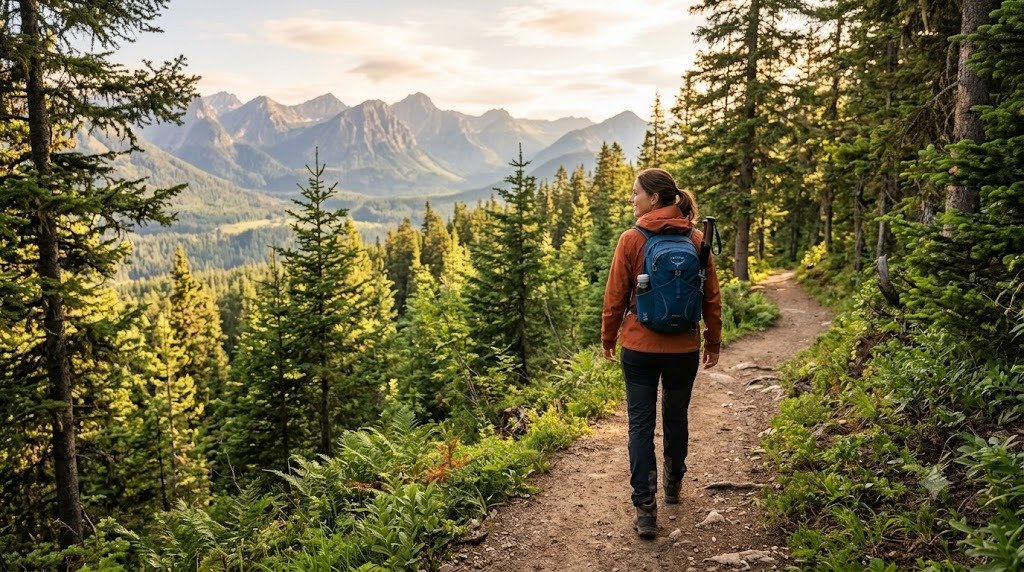
Hiking for Beginners: How to Plan Your First Hike
Hiking is one of the simplest ways to spend time outdoors. You do not need expensive equipment, advanced outdoor skills, or years of experience to get started. A suitable trail, comfortable clothing, enough water, and a little planning can be enough for your first adventure.
The key is choosing a hike that matches your current ability and preparing for the conditions you are likely to encounter. A trail that looks easy on a map can feel very different when you are walking uphill, dealing with heat, or navigating uneven ground.
This beginner’s guide explains how to plan your first hike, what to bring, how to prepare physically, and what to do if conditions change.
What Is Hiking?
Hiking is walking outdoors on a planned route, usually through natural areas such as forests, hills, mountains, parks, countryside, or other undeveloped landscapes.
Hikes can range from short walks on well-maintained paths to demanding routes over steep or uneven terrain.
For beginners, hiking does not need to mean climbing a mountain. A relatively short and well-marked trail can be an excellent introduction.
Hiking is different from simply taking a casual walk because trails may involve changes in elevation, uneven surfaces, limited facilities, and changing weather conditions. That is why even an easy hike deserves some preparation.
If you are unfamiliar with the terminology, a future EarthTrek guide on Hiking vs Trekking can help explain how different types of outdoor journeys compare.
How to Choose Your First Hiking Trail
Choosing the right trail is probably the most important decision you will make before your first hike.
Do not choose a route simply because photographs make it look impressive. Instead, look for information about the actual trail.
Start With a Manageable Distance
For your first hike, choose a route that you can reasonably complete without rushing.
Consider:
- Total distance
- Estimated hiking time
- Elevation gain
- Trail surface
- Number of steep sections
- Availability of shade
- Water availability
- Weather conditions
- Distance from roads or facilities
A shorter route that you finish comfortably is generally a better introduction than an ambitious route that leaves you exhausted.
Choose a Well-Established Trail
A clearly marked and commonly used trail can be easier for beginners to navigate.
Look for routes with reliable descriptions and recent information. Trail conditions can change because of weather, construction, erosion, seasonal closures, or other factors.
If possible, research the trail using an official park or land-management source, an established hiking organization, or another reliable source.
Consider How You Will Get There
Planning the hike also means planning transportation.
Before choosing a trail, determine:
- How you will reach the trailhead
- Where you can safely park if driving
- Whether public transportation is available
- How long the journey to the trailhead will take
- Whether the trailhead has reliable facilities
A beautiful trail is not necessarily a practical first hike if reaching it creates unnecessary complications.
How Difficult Should Your First Hike Be?
Trail difficulty can depend on more than distance.
A relatively short trail can be challenging if it includes steep climbs, loose rocks, difficult navigation, or exposure to harsh weather.
When evaluating a trail, look at several factors together.
Distance
Longer routes generally require more time and energy.
Elevation Gain
Elevation gain describes how much climbing is involved. Two trails with the same distance can feel very different if one involves considerably more uphill walking.
Terrain
A smooth, maintained path is generally easier to walk on than loose rock, mud, sand, or rough ground.
Navigation
A clearly marked trail is usually simpler for a beginner than an unmarked route requiring detailed navigation.
Weather
A trail that is manageable in cool, dry conditions can become much more difficult during heavy rain, extreme heat, snow, or strong winds.
For your first hike, look for a route where the distance, terrain, elevation, navigation, and expected weather all feel manageable.
What to Check Before Leaving Home
Do not wait until you reach the trailhead to start preparing.
Check the weather forecast before leaving and consider whether conditions could change during the time you will be outside.
Also check the current condition of the trail if reliable information is available.
Before departure, confirm:
- Trail opening status
- Weather forecast
- Expected temperature
- Rain or storm possibility
- Sunrise and sunset times
- Trail distance
- Estimated duration
- Route information
- Transportation arrangements
- Mobile reception expectations
- Water availability
- Any relevant local warnings or restrictions
Avoid relying on a single source for important trail information when conditions may have changed.
If the weather forecast looks unsuitable or the trail has been closed, be willing to change your plans.
What to Pack for a First Hike
Your first hiking backpack does not need to be filled with specialized equipment.
Focus on practical essentials.
Water
Bring enough water for the planned hike and conditions. Hot weather and strenuous terrain can increase your hydration needs.
Do not automatically assume that natural water sources are safe to drink. If you plan to use water from a natural source, understand the local situation and use an appropriate treatment method when necessary.
Food
Bring convenient food that can be eaten easily on the trail.
Good choices may include:
- Sandwiches
- Fruit
- Nuts
- Trail mix
- Granola or energy bars
- Crackers
For longer hikes, carry enough food for the planned duration and consider having a small amount of extra food available if your return takes longer than expected.
Navigation
Carry your route information with you.
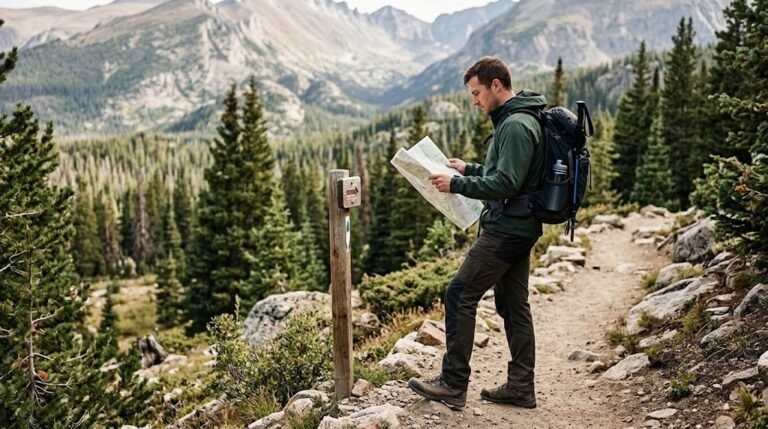
Your phone may be useful for maps and navigation, but download important information before leaving in case mobile reception is unavailable.
For routes where navigation is more demanding, consider carrying a physical map and compass and learning how to use them.
First-Aid Supplies
A basic first-aid kit can help with minor problems such as small cuts or blisters.
A simple kit might contain:
- Adhesive bandages
- Gauze
- Medical tape
- Wound-cleaning supplies
- Blister treatment
- Disposable gloves
- Any personal medication you normally require
Your first-aid supplies should match the hike. More remote or demanding routes may require more preparation.
Phone and Power Bank
Charge your phone before leaving.
A phone can be useful for navigation, communication, weather information, and emergency situations.
For longer hikes, a small power bank can provide additional battery capacity.
However, do not assume that having a phone guarantees communication. Mobile coverage varies by location.
Emergency Contacts
Tell someone where you are going, particularly if you are hiking alone or visiting a remote area.
Share:
- Trail or destination
- Expected start time
- Approximate return time
- Transportation details
- Who to contact if your plans change
This simple habit can make it easier for someone to know where you were expected to be.
For a more detailed equipment guide, see the future EarthTrek article What to Pack for a Day Hike.
What to Wear
You do not need a completely new wardrobe for your first hike.
The most important considerations are comfort, weather, and the terrain.
Choose clothing that allows you to move freely and is suitable for the forecast.
Depending on conditions, this may include:
- Comfortable hiking trousers or shorts
- A breathable shirt
- A lightweight insulating layer
- A rain jacket
- Warm layers in colder conditions
- Sun-protective clothing
- Extra socks
Choose Appropriate Footwear
Footwear should match the trail.
Comfortable trail shoes may work well on smooth, maintained paths. Rougher terrain may require footwear with better traction and protection.
Avoid starting a long hike in footwear that has never been worn before. New footwear can cause unexpected discomfort or blisters.
Socks also matter. Choose comfortable socks that fit properly and work with your footwear.
How to Prepare Physically
You do not need to become extremely fit before trying an easy hike.
Instead, build your walking ability gradually.
If you currently do very little physical activity, start with regular walks. Gradually increase either your walking time, distance, or the difficulty of the terrain.
You can also practice walking on gentle hills if your first trail includes elevation gain.
Before hiking, consider a short warm-up involving easy movement and walking. During the hike, start at a comfortable pace rather than trying to move quickly from the beginning.
Pay attention to how your body feels.
If you develop significant pain, feel unwell, or cannot safely continue, reassess the situation rather than pushing through simply to complete the route.
Basic Hiking Safety
Hiking safety starts with preparation.
Before you leave, know where you are going and understand the conditions you may encounter.
During the hike:
- Stay on the intended trail where appropriate
- Pay attention to trail markers
- Keep track of your location
- Drink regularly
- Eat when needed
- Watch changing weather
- Avoid unnecessary risks
- Allow enough time to return
- Tell someone if your plans change
Do not underestimate a trail simply because it is popular or short.
If you are hiking with other people, keep the group together when practical and make sure everyone understands the route.
For a more detailed safety resource, link to EarthTrek’s upcoming Hiking Safety Guide.
What to Do If Weather Changes
Weather can change after you start hiking.
If conditions become significantly worse, do not feel obligated to finish the hike simply because you have already started.
For example, if heavy rain develops on a route that becomes slippery when wet, turning around may be more sensible than continuing.
If thunderstorms, dangerous winds, extreme temperatures, or other severe conditions are expected, prioritize getting to a safer location.
Your weather plan should consider both the outward and return journeys.
A useful question before leaving is:
“What will I do if the weather becomes worse than expected?”
Having an answer before starting is much easier than making a rushed decision in the middle of the trail.
Hiking Etiquette and Respect for Nature
Hiking responsibly helps protect trails and makes outdoor spaces more enjoyable for everyone.
Follow local rules and established trail guidance.
Good hiking etiquette includes:
- Stay on designated trails where required
- Do not leave litter
- Keep noise reasonable
- Respect other hikers
- Give appropriate space when passing
- Do not damage plants or natural features
- Keep pets under control according to local rules
- Leave natural objects where you find them
- Follow local fire restrictions
- Dispose of waste properly
Responsible travel is not only about the hike itself. It also includes how you interact with local communities, wildlife, and natural environments.
For more information, EarthTrek can also cover Sustainable Travel and practical ways hikers can reduce their environmental impact.
Common Beginner Mistakes
Many first-time hikers make avoidable mistakes. Most come from underestimating the trail or overcomplicating the preparation.
Choosing a Trail That Is Too Difficult
A challenging route may sound exciting, but your first hike should help you learn what you enjoy and how your body responds to hiking.
Starting Too Fast
Walking too quickly at the beginning can leave you tired earlier than expected.
Find a comfortable pace that you can maintain.
Ignoring the Weather
A forecast should be part of your planning process, not an afterthought.
Carrying Too Little Water
Do not assume that a short distance automatically means you will not need much water.
Wearing Unsuitable Shoes
Comfortable everyday shoes may not provide enough traction or protection on rough terrain.
Relying Completely on Your Phone
A phone is useful, but battery limitations and poor reception can create problems.
Forgetting the Return Journey
Your energy, daylight, and weather conditions may be different on the way back.
Always plan for the complete route rather than focusing only on reaching the destination.
First Hike Checklist
Before leaving home, use this simple checklist:
Essentials
- ☐ Water
- ☐ Food or snacks
- ☐ Navigation information
- ☐ Appropriate footwear
- ☐ Weather-appropriate clothing
- ☐ Basic first-aid supplies
- ☐ Fully charged phone
- ☐ Power bank for longer hikes
- ☐ Emergency contact information
- ☐ Backpack
Before You Leave
- ☐ Check the weather
- ☐ Check trail conditions
- ☐ Confirm the route
- ☐ Check opening or closure information
- ☐ Estimate hiking and travel time
- ☐ Download maps if needed
- ☐ Tell someone your plans
- ☐ Check transportation
- ☐ Make sure you have enough daylight
- ☐ Adjust your plan if conditions are unsuitable
Final Tips for a Successful First Hike
Your first hike does not need to be spectacular to be successful.
Choose a manageable trail, prepare for the weather, bring the essentials, and give yourself enough time to complete the route without rushing.
Start conservatively. It is better to finish your first hike thinking, “I could have walked a little farther,” than to choose a route that leaves you exhausted or unprepared.
As you gain experience, you can gradually explore longer distances, steeper terrain, different environments, and more challenging routes.
Most importantly, learn from every outing. Notice what you actually used, what you wish you had packed, how your footwear performed, and how your body responded to the terrain.
Hiking becomes much easier to plan once you understand your own pace and the conditions of the trails you enjoy.
A little preparation allows you to spend less time worrying about what could go wrong and more time enjoying the landscape, fresh air, and experience of being outdoors.
Suggested Internal Links
- Hiking Safety — A practical guide covering route planning, weather awareness, navigation, emergencies, and general trail safety.
- What to Pack for a Day Hike — A detailed checklist covering water, food, first aid, clothing, navigation, and emergency essentials.
- Hiking vs Trekking — Explain the differences between hiking and trekking and help beginners understand different types of outdoor journeys.
- Sustainable Travel — Practical ways to explore natural areas responsibly while reducing environmental impact.
- Beginner Hiking Tips — Additional beginner-friendly advice on pacing, trail preparation, and building confidence outdoors.