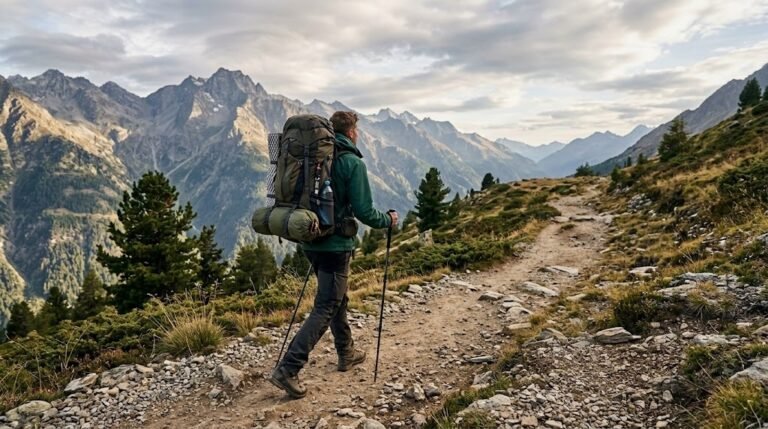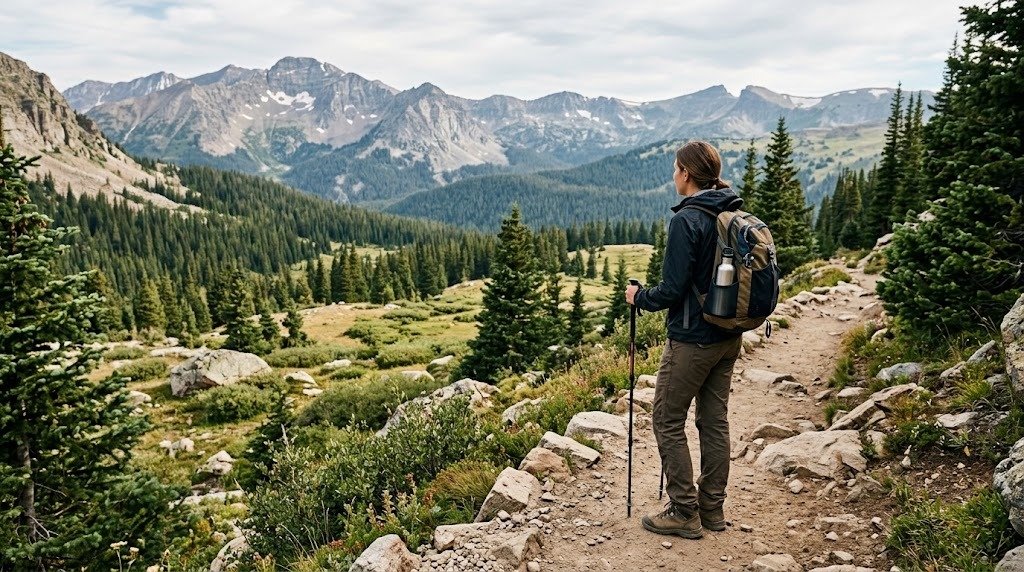
How to Travel More Sustainably: Simple Habits for Outdoor Adventures
Outdoor travel gives us the opportunity to experience forests, mountains, coastlines, lakes, deserts, and other natural environments. But every visit has some impact. Transportation, food, accommodation, waste, and even how we move through a trail can affect the places we come to enjoy.
Sustainable travel does not mean that every trip needs to be perfect or that travelers must completely change their lifestyle. In many cases, small practical decisions can make a trip more responsible.
You can reduce unnecessary waste, choose lower-impact options when practical, respect wildlife, stay on designated trails, support local businesses, and leave natural areas as you found them.
The most useful approach is to focus on realistic habits that you can maintain from one trip to the next.
What Does Sustainable Outdoor Travel Mean?
Sustainable outdoor travel means making choices that aim to reduce unnecessary environmental impact while respecting natural areas, local communities, and other visitors.
There is no single perfect way to travel sustainably. The best choices depend on your destination, available transportation, local rules, budget, and the type of trip you are taking.
For an outdoor traveler, sustainability can involve:
- Producing less unnecessary waste
- Reusing items instead of relying on disposable alternatives
- Staying on established trails
- Avoiding disturbance to wildlife
- Respecting protected areas
- Supporting local businesses
- Choosing accommodation thoughtfully
- Avoiding unnecessary food waste
- Following local environmental regulations
The goal is not to eliminate every impact. It is to make reasonable choices that reduce avoidable impacts.
Choose Lower-Impact Transportation When Practical
Transportation is often an important part of a trip, but the most practical option varies depending on where you are going.
When available and appropriate, consider:
- Public transportation
- Trains
- Buses
- Shared transportation
- Carpooling
- Walking or cycling for shorter distances
For example, if several people are traveling to the same trailhead, sharing one vehicle may be more practical than everyone driving separately.
Public transportation can also be useful for trails that are accessible by bus or train.
However, do not assume that one transportation option is always practical. Remote hiking areas may have limited public transportation, and some destinations may require a private vehicle.
The useful principle is simple: choose a lower-impact option when it is practical and safe for your particular journey.
Planning transportation in advance can also help avoid unnecessary driving between destinations.
Reduce Single-Use Waste
Outdoor adventures can generate surprisingly large amounts of disposable waste.
Water bottles, food packaging, takeaway containers, cups, and other single-use items can quickly fill a backpack.
You can reduce this by choosing products with less unnecessary packaging and preparing some food yourself.
Instead of automatically buying individual packaged items, consider carrying food in reusable containers or choosing larger packages when appropriate.
Always follow local waste rules.
If bins are unavailable, be prepared to carry your waste until you reach an appropriate disposal point.
Never leave packaging, tissues, food scraps, or other waste on a trail simply because it appears small or biodegradable.
Carry Reusable Items
Reusable equipment can be useful for both convenience and waste reduction.
Depending on your trip, consider carrying:
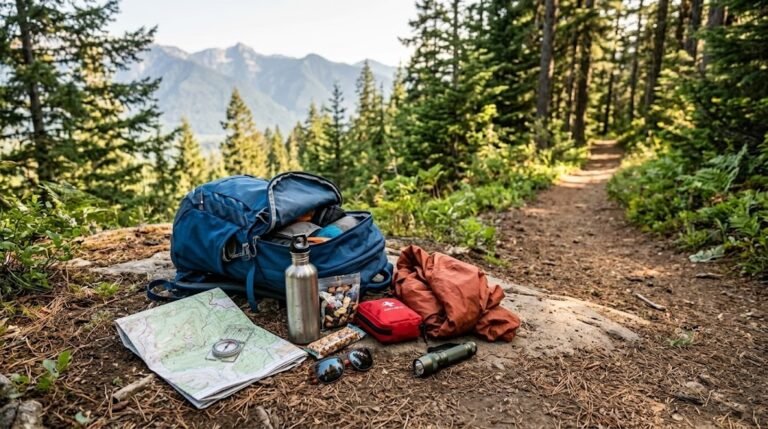
- Reusable water bottle
- Refillable water container
- Reusable food container
- Reusable utensils
- Cloth napkin
- Reusable shopping bag
- Durable coffee cup
You do not need to purchase a completely new collection of products to travel more sustainably.
Use items you already own when they are suitable.
For example, a durable household container may work perfectly well for carrying lunch on a day hike.
The most sustainable item is often one you already have and will use repeatedly.
Stay on Designated Trails
Staying on designated trails is one of the simplest ways hikers can reduce their impact.
Walking outside established routes can damage vegetation, disturb soil, contribute to erosion, and create informal paths.
Even when an area looks durable, repeated foot traffic can gradually change the landscape.
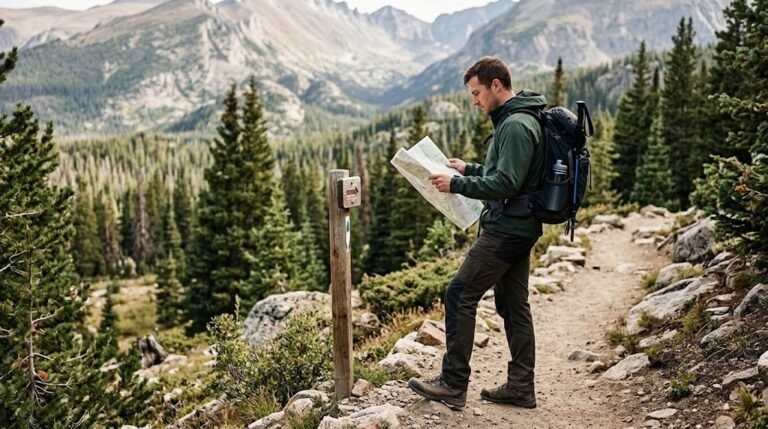
Follow local signs and park guidance.
If an official trail is marked as closed, do not create your own route around the closure.
Trail closures may exist because of environmental restoration, erosion, wildlife activity, weather damage, safety concerns, or other local reasons.
For practical hiking preparation, see EarthTrek’s Hiking Safety Tips and What to Pack for a Day Hike.
Respect Wildlife
Seeing wildlife can be one of the most memorable parts of an outdoor trip. But wild animals should be observed without being disturbed.
Simple habits include:
- Keep an appropriate distance
- Never feed wildlife
- Do not chase animals for photographs
- Avoid disturbing nests or dens
- Keep pets under control where they are permitted
- Store food according to local requirements
- Follow official wildlife guidance
Feeding wildlife can encourage animals to associate people with food and may change their natural behavior.
Do not attempt to touch or interact with wild animals, even when they appear calm.
Wildlife guidance varies by species and location, so check official local information before visiting an unfamiliar area.
Protect Natural Habitats
Natural environments include much more than the scenery visible from a trail.
Plants, soil, waterways, insects, fungi, and other organisms all form part of the ecosystem.
Visitors can help protect these environments by avoiding unnecessary disturbance.
Do not:
- Pick wildflowers
- Break branches
- Remove rocks or natural objects
- Damage trees
- Disturb nests
- Enter restricted areas
- Pollute streams or lakes
Follow local rules concerning fires, camping, fishing, swimming, and other activities.
If you are visiting a protected area, remember that the landscape may be subject to specific conservation requirements.
A good general rule is to leave natural features where you found them so that future visitors can experience them too.
Support Local Communities
Sustainable travel also involves the people who live in and around the destinations you visit.
When practical, spending money with local businesses can help keep some tourism-related spending within the local community.
Depending on the destination, this might mean choosing:
- Locally owned accommodation
- Local restaurants
- Independent guides
- Local transportation providers
- Small outdoor businesses
- Local markets and shops
Be respectful of local customs, working environments, and community needs.
Do not assume that every destination exists primarily for tourists.
If you are visiting a rural community or culturally important area, research local expectations before your trip.
Responsible tourism is about being a considerate visitor rather than simply consuming a destination.
Choose Responsible Accommodation
Accommodation can also be part of a more thoughtful travel plan.
Rather than focusing only on labels such as “eco-friendly,” look at the actual practices of the accommodation where possible.
Useful considerations include:
- Water-saving practices
- Waste reduction
- Refillable amenities
- Energy-conscious operations
- Local sourcing
- Reuse of towels and linens
- Recycling where appropriate
- Local ownership or employment
You do not necessarily need to pay more for accommodation marketed as sustainable.
Simple choices can help too.
For example, you can avoid unnecessary towel and linen changes, turn off lights and air conditioning when leaving a room, and avoid wasting water.
Follow the property’s instructions for recycling and waste disposal rather than assuming that every destination uses the same system.
Reduce Food Waste
Food is an important part of travel, but poor planning can lead to unnecessary waste.
Before buying food for an outdoor trip, think about how much you are realistically going to eat.
For hikes, choose portable foods that are appropriate for the route and weather.
Useful options may include:
- Fruit
- Nuts
- Sandwiches
- Trail mix
- Dried fruit
- Granola bars
Pack food in reusable containers when practical.
Avoid preparing far more food than you can reasonably consume.
At the same time, do not reduce your food supply so aggressively that you are unprepared for a longer-than-expected outing. Outdoor planning should balance waste reduction with sensible preparation.
Never leave food scraps on trails unless local guidance specifically permits it.
Practice Responsible Photography
Photography allows travelers to remember and share their experiences, but taking a photograph should not require damaging the environment.
Avoid:
- Walking off-trail for a better angle
- Moving plants or rocks
- Approaching wildlife
- Entering restricted areas
- Disturbing other visitors
- Climbing fragile natural features simply for a photograph
A dramatic photograph is not worth damaging a natural area or putting yourself in an unsafe position.
If you are photographing people, communities, or culturally significant locations, be considerate and follow local expectations.
Social media can also influence where people travel. When sharing locations, think carefully about whether revealing the exact location of a fragile or sensitive site could encourage harmful visitor pressure.
Follow Leave No Trace Principles
Leave No Trace is a useful framework for thinking about responsible outdoor recreation.
The principles generally encourage visitors to minimize their impact by planning ahead, using durable surfaces, disposing of waste appropriately, leaving natural objects where they are, minimizing fire impacts, respecting wildlife, and considering other visitors.
The exact application can depend on the environment and local regulations.
For example, waste-management practices may be different in a heavily visited park than in a remote wilderness area.
Always follow the specific instructions of the land manager or park authority.
The broader idea is straightforward:
Try to leave the place in a condition that does not make your visit another person’s problem.
10 Simple Sustainable Travel Habits
You do not need to change everything at once.
Start with a few habits that are easy to repeat.
1. Carry a Reusable Water Bottle
Avoid unnecessary disposable bottles when a safe refill option is available.
2. Pack Reusable Food Containers
Use containers you already own for snacks and meals.
3. Take Your Waste With You
If there is no suitable disposal facility, carry your waste until you find one.
4. Stay on Established Trails
Avoid creating shortcuts or unofficial paths.
5. Keep Your Distance From Wildlife
Observe animals without approaching, feeding, or disturbing them.
6. Use Shared Transportation When Practical
Carpooling or public transportation can be useful where available.
7. Buy From Local Businesses
Choose local accommodation, restaurants, guides, and shops when appropriate.
8. Avoid Wasting Food
Pack realistic portions and plan meals according to the length of your trip.
9. Respect Local Rules
Check current park, trail, and environmental regulations before your visit.
10. Leave Natural Objects Where They Are
Do not take rocks, plants, shells, or other natural features home unless collection is explicitly permitted.
These habits may seem small individually, but they are practical because they can become part of your normal travel routine.
Final Thoughts
Sustainable outdoor travel does not require perfection.
There will be trips where public transportation is unavailable, where you need to drive, or where the most practical accommodation is not marketed as environmentally focused.
The important thing is to make reasonable choices within the circumstances of your trip.
Start with the habits that are easiest to maintain: carry reusable items, reduce unnecessary packaging, stay on designated trails, respect wildlife, follow local rules, and take your waste with you.
Then consider the bigger parts of your trip, such as transportation, accommodation, food planning, and supporting local businesses.
Most importantly, remember that every outdoor destination has its own conditions and rules. Check official information before visiting protected areas, and follow local guidance rather than assuming that practices from another destination apply everywhere.
Responsible travel is ultimately about being a considerate visitor.
You can enjoy mountains, forests, parks, coastlines, and trails while taking practical steps to reduce unnecessary impact. You do not need to travel perfectly—you simply need to travel thoughtfully.
For more EarthTrek guidance, explore Hiking for Beginners, Hiking Safety Tips, What to Pack for a Day Hike, and How to Plan a National Park Hiking Trip.How to Travel More Sustainably: Simple Habits for Outdoor Adventures