Mountain Travel for Beginners: How to Plan Your First Mountain Adventure
Mountain travel offers a chance to experience dramatic landscapes, quiet trails, changing weather, and places that feel very different from everyday surroundings. But mountains also require more preparation than many lowland outdoor trips.
A route that looks manageable from photographs can involve steep terrain, rapid weather changes, limited services, difficult roads, or conditions that are very different from those at the base of the mountain.
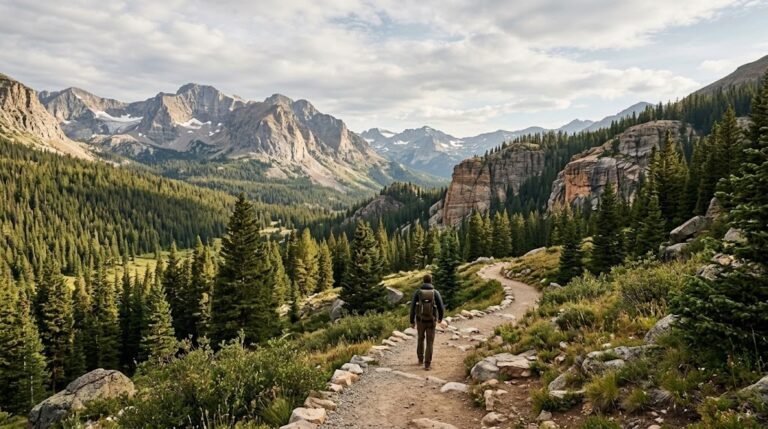
For your first mountain adventure, you do not need to attempt a high summit or technical climb. A well-established trail, viewpoint, mountain village, or beginner-friendly hiking route can provide an excellent introduction.
The goal is to choose an adventure that matches your experience, prepare for local conditions, and know when to change your plans.
Why Mountain Travel Requires Extra Planning
Mountains create conditions that can change considerably over relatively short distances.
Temperature, wind, precipitation, visibility, and trail conditions may differ between a valley and a higher elevation. A clear morning can also develop into poor weather later in the day.
Mountain areas may also have:
- Steep or uneven terrain
- Limited mobile coverage
- Fewer medical facilities
- Remote roads
- Seasonal closures
- Limited food and water sources
- Difficult navigation
- Snow or ice during certain seasons
This does not mean mountain travel is inherently dangerous. It means that preparation matters.
Before your trip, check official information from the relevant park authority, local government, land manager, tourism authority, or mountain organization whenever available.
Do not assume that information from a previous season still applies. Mountain conditions can change quickly.
Choosing a Beginner-Friendly Mountain Destination
Your first mountain adventure should be selected based on your experience rather than how impressive the destination looks online.
Look for a destination with characteristics that make planning relatively straightforward.
For example:
- Clearly established trails
- Reliable route information
- Reasonable access
- Suitable accommodation nearby
- Known transportation options
- Multiple route options
- Reliable local information
- Conditions appropriate for your experience
Avoid choosing a route simply because it is famous or reaches a particular summit.
A lower-altitude scenic trail can provide an excellent mountain experience without requiring advanced climbing skills.
Avoid Technical Routes
Technical climbing can involve specialized skills, equipment, route knowledge, and experience.
If you have little or no mountain experience, avoid routes requiring technical climbing, glacier travel, exposed scrambling, specialized rope systems, or other advanced skills.
If you eventually want to learn these activities, seek appropriate instruction and experience rather than attempting them independently for the first time.
Understanding Elevation and Terrain
Elevation is an important consideration when planning mountain travel.
As elevation increases, the environment can change. Temperatures may be lower, weather can be more variable, and routes may require more physical effort.
Do not judge a mountain route by distance alone.
A short route with substantial elevation gain may be considerably more demanding than a longer route on relatively gentle terrain.
Pay attention to:
- Starting elevation
- Highest point
- Total elevation gain
- Trail gradient
- Surface conditions
- Exposed sections
- Rocky or loose terrain
- Snow or ice when applicable
Understand Your Own Limits
If you have not spent much time at elevation, avoid making an ambitious high-altitude itinerary your first mountain experience.
If you plan to travel to significantly higher elevations than you are accustomed to, learn about altitude-related health considerations before your trip and consider obtaining appropriate professional advice.
Do not assume that being physically fit automatically eliminates altitude-related problems.
Planning Your Route
A good mountain route plan should include more than the destination name.
Research the complete journey.
Consider:
- Trailhead location
- Distance
- Elevation gain
- Expected duration
- Terrain
- Navigation difficulty
- Water availability
- Exit points
- Weather exposure
- Seasonal conditions
Break longer routes into manageable sections.
If the route is unfamiliar, allow additional time rather than planning around the fastest estimated completion time.
Also identify places where you could safely turn around.
A sensible turnaround plan is particularly useful in mountain environments because weather, fatigue, and trail conditions can change during the day.
Always check whether the route is currently open. Seasonal closures, landslides, snow, flooding, construction, or other local issues can affect access.
Checking Mountain Weather
Mountain weather deserves particular attention.
Conditions can change quickly, and the weather at the trailhead may not represent conditions higher on the route.
Before leaving, check a reliable forecast for the mountain area and consider:
- Temperature
- Rain
- Snow
- Wind
- Thunderstorms
- Visibility
- Cloud conditions
- Freezing temperatures
- Sunrise and sunset
If available, compare forecasts for different elevations along your route.
Do not rely on a single forecast from several days earlier.
Check the forecast again shortly before departure and be prepared to change your plans.
If severe weather is expected, postponing the trip may be the most sensible option.
What to Wear
Mountain clothing should be based on conditions rather than appearance.
Layers are often practical because they allow you to adjust your clothing as temperature and activity levels change.
Depending on the destination and season, your clothing system may include:
- Comfortable base layer
- Insulating mid-layer
- Weather-resistant outer layer
- Hiking trousers
- Warm hat
- Gloves
- Sun hat
- Extra socks
- Rain protection
Your footwear should match the terrain.
A maintained mountain path may be suitable for comfortable trail footwear, while rough or steep terrain may require footwear offering more protection and traction.
Do not start a demanding trip in footwear that has never been tested. Comfortable footwear that fits properly can help reduce problems during long walks.
Essential Mountain Gear
Your gear should match the actual trip.
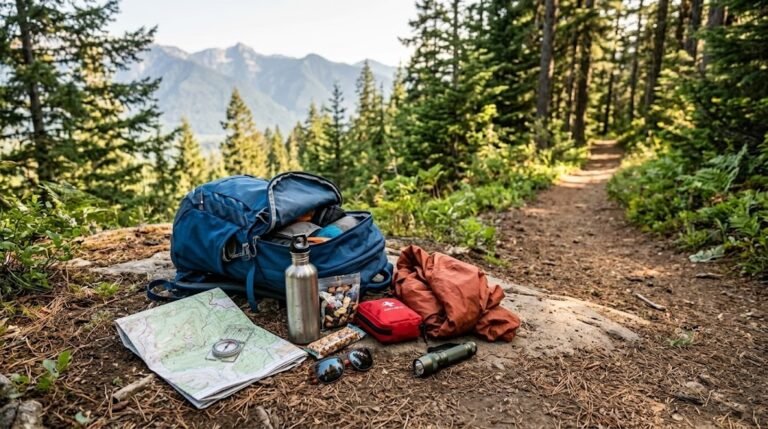
For a straightforward day trip, useful equipment may include:
- Backpack
- Water
- Food
- Navigation tools
- First-aid supplies
- Phone
- Power bank
- Weather protection
- Sun protection
- Headlamp or flashlight
- Emergency blanket
- Whistle
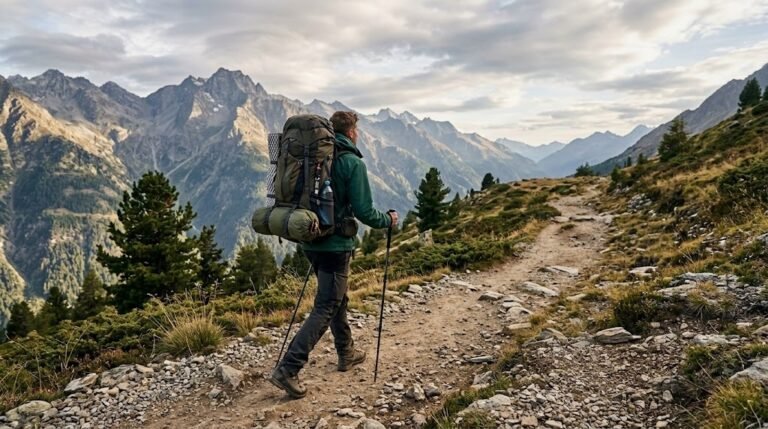
Longer trips may require additional equipment.
Depending on the route, this could include:
- Extra clothing
- Sleeping equipment
- Cooking equipment
- Camping equipment
- Larger water capacity
- More comprehensive navigation equipment
Do not buy specialized technical climbing equipment simply because you are visiting a mountain.
If your route requires equipment or skills you do not have, choose a different route or obtain appropriate professional instruction.
Food and Hydration
Mountain travel can require more careful food and water planning than an ordinary sightseeing trip.
Bring enough water for the planned route and conditions. Your requirements may increase in hot weather or during strenuous activity.
Do not assume that mountain streams and springs are automatically safe to drink from. If you plan to collect natural water, research the local situation and use an appropriate treatment method when necessary.
For food, choose items that are portable and easy to eat.
Options may include:
- Sandwiches
- Nuts
- Trail mix
- Fruit
- Dried fruit
- Granola bars
- Other familiar snacks
For longer trips, plan meals and resupply points in advance.
Keep food appropriately stored and follow local guidance concerning wildlife.
Physical Preparation
You do not need to be an elite athlete to enjoy mountain travel.
However, it is useful to prepare for the actual demands of your route.
If you are currently inactive, begin with regular walking and gradually increase duration.
You can also practice:
- Walking uphill
- Walking on uneven surfaces
- Longer walks
- Carrying a light backpack
- Maintaining a comfortable pace
Do not attempt to compensate for a lack of preparation by simply walking faster.
A steady pace can make a significant difference during a long day outdoors.
If your planned route is substantially more demanding than your normal activity, give yourself enough time to prepare before the trip.
Mountain Safety
Mountain safety starts with realistic planning.
Before leaving, tell someone about your plans, especially if you are traveling alone or visiting a remote area.
Provide information such as:
- Destination
- Planned route
- Start time
- Expected return
- Accommodation
- Transportation details
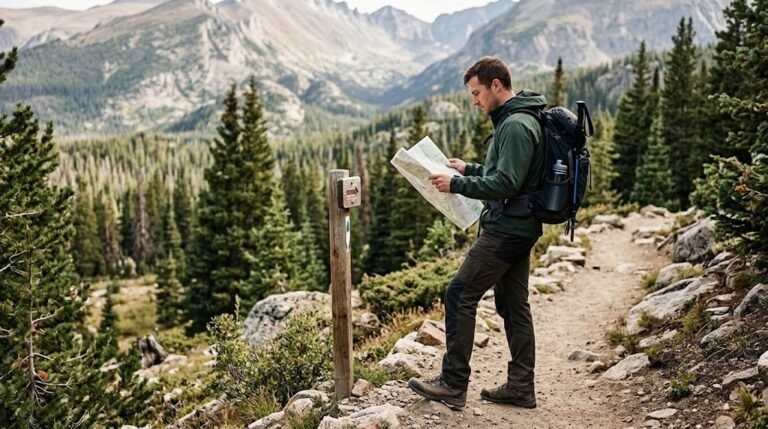
Carry appropriate navigation tools and understand how to use them.
Do not rely exclusively on mobile phone coverage.
Know When to Turn Back
One of the most important mountain skills is knowing when not to continue.
Consider turning around if:
- Weather deteriorates
- Visibility becomes poor
- You are running out of daylight
- The route is more difficult than expected
- You become excessively tired
- Your water supply is inadequate
- Someone in your group cannot safely continue
- You lose the route and cannot confidently relocate yourself
Reaching the planned destination is not more important than returning safely.
A change of plan is a normal part of responsible mountain travel.
Transportation and Accommodation
Mountain trips often require more transportation planning than ordinary city travel.
Before leaving, confirm:
- How you will reach the destination
- Road conditions
- Public transportation availability
- Parking arrangements
- Trailhead access
- Local transport options
- Return transportation
Do not assume that a road shown on an online map is accessible in every season.
Weather, snow, landslides, construction, or local restrictions may affect access.
Book Accommodation Carefully
If your trip involves overnight stays, confirm the location and operating dates.
Check:
- Check-in arrangements
- Availability of heating when relevant
- Food options
- Water availability
- Transportation access
- Cancellation policies
- Seasonal operating schedules
For remote areas, having a confirmed accommodation plan can make the entire trip easier to manage.
Respecting Mountain Environments
Mountain environments can be fragile.
Responsible visitors should follow local regulations and minimize their impact.
Good practices include:
- Stay on designated trails where required
- Take litter with you
- Avoid disturbing wildlife
- Do not damage vegetation
- Respect local communities
- Follow fire restrictions
- Use designated camping areas when required
- Dispose of waste appropriately
- Leave natural objects where you find them
Remember that mountains are not simply recreational spaces. They can also be important habitats and home to local communities.
Responsible travel helps protect these environments for future visitors.
EarthTrek’s future Sustainable Travel guide can provide additional advice on reducing your environmental impact while exploring natural areas.
Common Beginner Mistakes
Choosing a Destination Based Only on Photos
Online photographs rarely show the complete difficulty of a route.
Research actual trail information, elevation, terrain, and conditions.
Underestimating Weather
A pleasant morning does not guarantee good conditions throughout the day.
Check the forecast and carry appropriate protection.
Ignoring Elevation
Do not assume that a short route is easy simply because the distance is small.
Elevation gain can significantly change the physical demands of a route.
Carrying Too Much
Specialized gear is not automatically better.
Carry equipment that has a realistic purpose for your route.
Carrying Too Little
The opposite problem is also common.
Do not leave behind essentials such as water, navigation tools, weather protection, and basic first-aid supplies simply to reduce backpack weight.
Starting Too Late
A late start can reduce the amount of daylight available for your return journey.
Plan your schedule around the complete route rather than only the time required to reach your destination.
Ignoring Official Information
Online posts and older trip reports can provide useful context, but they may not reflect current conditions.
Always look for recent official information when possible.
Attempting Advanced Routes Too Soon
A mountain summit can look achievable from a distance while requiring considerable technical skill.
Build experience gradually and avoid technical routes unless you have the necessary training, equipment, and appropriate support.
Mountain Trip Checklist
Use this checklist as a starting point and adapt it to your destination.
Planning
- ☐ Research the destination
- ☐ Check official trail information
- ☐ Check access and closures
- ☐ Review route distance and elevation
- ☐ Check current weather
- ☐ Plan transportation
- ☐ Confirm accommodation
- ☐ Tell someone your itinerary
Clothing
- ☐ Comfortable hiking clothing
- ☐ Appropriate footwear
- ☐ Warm layer
- ☐ Weather protection
- ☐ Extra socks
- ☐ Hat
- ☐ Gloves when appropriate
Gear
- ☐ Backpack
- ☐ Water
- ☐ Food
- ☐ Navigation tools
- ☐ First-aid supplies
- ☐ Phone
- ☐ Power bank
- ☐ Headlamp or flashlight
- ☐ Emergency blanket
- ☐ Whistle
- ☐ Sun protection
Before Departure
- ☐ Check the latest weather
- ☐ Check local conditions
- ☐ Confirm the route is open
- ☐ Charge electronic devices
- ☐ Download offline maps
- ☐ Confirm transportation
- ☐ Review your turnaround plan
- ☐ Reconsider the trip if conditions are unsuitable
Final Tips
Your first mountain adventure does not need to involve a difficult summit or remote expedition.
A scenic trail, mountain village, viewpoint, or established walking route can provide a memorable introduction while allowing you to develop basic outdoor skills.
The most important principle is to match the trip to your experience.
Before you leave, check official local information, review the weather, understand the terrain, and make sure you have appropriate clothing and essential equipment.
Remember that mountain conditions can change quickly. Be prepared to adjust your route, delay your trip, or turn around if circumstances become unsuitable.
As you gain experience, you can gradually explore longer and more demanding routes. Learn navigation, improve your physical preparation, and develop a better understanding of how weather and terrain affect mountain travel.
For more preparation advice, explore EarthTrek’s guides on Hiking for Beginners, Hiking Safety Tips, What to Pack for a Day Hike, and Hiking vs Trekking.
A successful mountain adventure is not defined by how difficult the route is. It is defined by choosing an appropriate journey, preparing thoughtfully, respecting local conditions, and returning with a positive experience.