What to Pack for a Day Hike: The Essential Hiking Checklist
A day hike may last only a few hours, but being prepared can make the difference between a comfortable outing and a difficult one. The right hiking gear does not have to mean carrying a heavy backpack. Instead, the goal is to bring the essentials you are likely to need while preparing for the trail, weather, distance, terrain, and level of remoteness.
For beginners especially, packing can be confusing. How much water should you carry? Do you need a first-aid kit? What clothing is appropriate? Should you bring a power bank?
This day-hike checklist breaks those decisions into simple categories so you can prepare without unnecessarily filling your backpack.
Quick rule: Pack for the conditions you may encounter, not just the conditions you see when leaving home.
Why Packing Properly Matters
Good preparation helps you deal with common problems such as changing weather, minor injuries, navigation mistakes, limited phone reception, or running out of water.
A short, popular trail close to roads and facilities may require considerably less equipment than a remote mountain route. Similarly, a cool-weather hike can require different clothing from a warm summer walk.
The purpose of packing is not to prepare for every imaginable emergency. It is to carry sensible equipment that addresses realistic needs.
Before leaving, consider:
- How long you expect to be on the trail
- Whether the route is familiar
- Weather conditions and forecast
- Trail difficulty and terrain
- Availability of water
- Distance from roads or other people
- Whether mobile phone reception is likely
- Whether you are hiking alone or with others
If you’re new to hiking, also review a basic hiking safety guide before heading out.
How to Decide What You Need
There is no universal day-hike packing list that works perfectly for every trail.
A two-hour walk on a maintained trail near a town is different from an eight-hour hike through a remote mountain area. Your packing list should therefore change with the conditions.
Weather
Rain, strong sun, cold temperatures, or sudden weather changes can affect what you need.
For example, a rain jacket may be unnecessary on a short summer walk when stable dry weather is expected, but it becomes much more important when rain is possible.
Trail Length
Longer hikes generally require more food, water, and preparation.
For a short hike, a small snack and modest water supply may be enough. A full-day route may require additional food and more careful planning.
Terrain
Rocky, steep, muddy, or uneven trails can increase the importance of appropriate footwear and basic first-aid supplies.
A simple walking trail may not require trekking poles, while steep terrain may make them useful.
Remoteness
The farther you are from roads, facilities, and other hikers, the more important navigation and emergency preparation become.
Season
Your packing list should also change throughout the year. Summer may require additional sun protection and hydration planning, while colder seasons may require warmer layers and weather protection.
Water and Hydration
Water is one of the most important things to pack for a day hike.
How much you need depends on temperature, trail length, elevation, exertion, and whether reliable water sources are available. Do not assume that a stream or spring is automatically safe to drink.
For a typical hike, consider carrying:
- A reusable water bottle or hydration reservoir
- Enough water for the planned route and conditions
- Additional capacity when reliable water sources are unavailable
- A suitable water-treatment method if you specifically plan to use natural water sources
Avoid relying entirely on finding water along the trail unless you have confirmed where reliable sources are and understand whether treatment is necessary.
In hot conditions, hydration planning becomes particularly important. Take regular drinks rather than waiting until you feel extremely thirsty.
Food and Snacks
You do not need a complicated meal plan for most day hikes.
Choose foods that are convenient to carry, easy to eat, and appropriate for the weather. Good options can include:
- Trail mix
- Nuts and seeds
- Granola or energy bars
- Fresh or dried fruit
- Sandwiches
- Crackers
- Other familiar, portable foods
For longer hikes, bring enough food for the planned duration and consider carrying a little extra in case you take longer than expected.
Keep food securely packed, particularly if hiking in an area where animals may be attracted to food smells.
Navigation
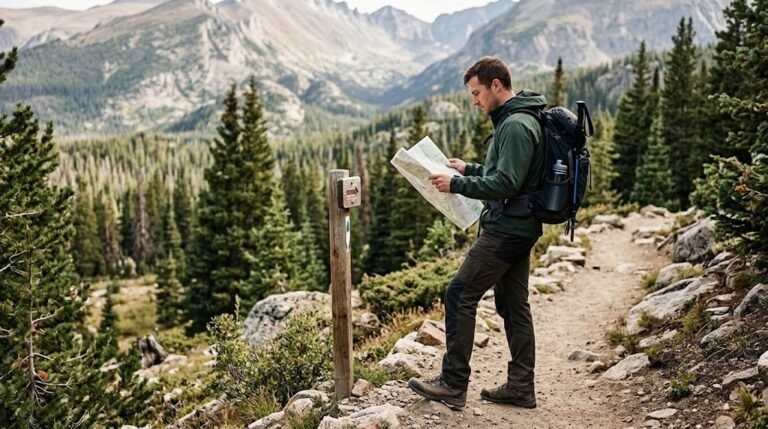
Navigation is important even on relatively easy trails.
Your phone can be useful, but it should not necessarily be your only navigation method. Batteries can run low, GPS information can be unreliable in some areas, and mobile reception may disappear.
Consider carrying:
- A phone with an appropriate offline map
- A downloaded trail map
- A physical map for longer or remote hikes
- A compass when appropriate for the route
- The trail name or route information saved somewhere accessible
Before starting, make sure you understand the route rather than simply assuming you can follow other hikers.
A good habit is to check your route at home and save important information before leaving.
First-Aid Supplies
A basic first-aid kit is useful for dealing with minor problems.
For a typical day hike, consider carrying:
- Adhesive bandages
- Gauze
- Medical tape
- Antiseptic or wound-cleaning supplies
- Blister treatment
- Small scissors
- Disposable gloves
- Any personal medication you normally need
Your first-aid supplies should match the type of hike. A remote, long-distance route may justify a more comprehensive kit than a short urban trail.
Do not carry medical equipment you do not know how to use simply because it appears on an extensive gear list.
For more guidance, link this section naturally to an EarthTrek article about basic hiking first aid.
Clothing and Weather Protection
The best hiking clothing depends heavily on conditions.
Instead of focusing on fashion or specialized equipment, think about comfort, weather, and flexibility.
Useful clothing may include:
- Moisture-managing base layers
- Comfortable hiking trousers or shorts
- A lightweight insulating layer
- A rain jacket when rain is possible
- Warm layers for cold conditions
- Spare socks
- A hat or lightweight head covering
For changing conditions, layers are often more practical than wearing one very thick item.
A rain jacket can also be useful as protection from wind, depending on its design.
Avoid wearing cotton as your only layer during conditions where staying warm after getting wet could become a concern. Choose clothing appropriate for the expected environment.
Hiking Footwear
Footwear should match the terrain and provide comfortable support.
For maintained, relatively smooth trails, comfortable trail shoes may be sufficient. Rough, rocky, muddy, or steep terrain may call for footwear with greater protection and traction.
Before a longer hike, avoid wearing brand-new footwear for the first time. Footwear that feels fine in a shop can cause discomfort or blisters after several hours of walking.
Also consider your socks. A comfortable pair that fits properly can make a noticeable difference during a long day outside.
Sun Protection
Sun exposure can become uncomfortable even when temperatures do not feel extreme.
Depending on the conditions, pack:
- Sunscreen
- Sunglasses
- A hat
- Lightweight clothing that provides useful sun coverage
- Lip balm with sun protection if appropriate
Apply sunscreen before starting and reapply according to the product instructions, especially if you are sweating heavily.
Sun protection is particularly important on exposed trails with little shade.
Emergency Essentials
Most day hikes do not require a large collection of emergency equipment. However, you should have a sensible plan for situations such as getting delayed, becoming lost, or encountering a sudden weather change.
Useful emergency items may include:
- A small emergency blanket
- A whistle
- A headlamp or compact flashlight
- Basic repair supplies
- Identification and emergency contact information
- A small amount of extra food
- A little extra water capacity
A headlamp is especially useful even when you expect to finish during daylight. An unexpected delay can turn a daylight hike into a low-light situation.
For remote routes, tell someone where you are going and approximately when you expect to return. Consider using an established emergency communication method appropriate for the area.
Phone and Power Bank
Your phone can serve several useful purposes during a hike:
- Navigation
- Emergency communication
- Weather checks
- Photos
- Trail information
Before leaving, charge your phone and download any maps or information you may need offline.
A small power bank can be useful for longer hikes, especially when you expect to use your phone frequently.
However, do not treat your phone battery as a substitute for proper preparation. If you are hiking somewhere remote, understand what communication options are actually available.
Optional Items
Some equipment can make a hike more comfortable but is not necessary for everyone.
Depending on your route, you might consider:
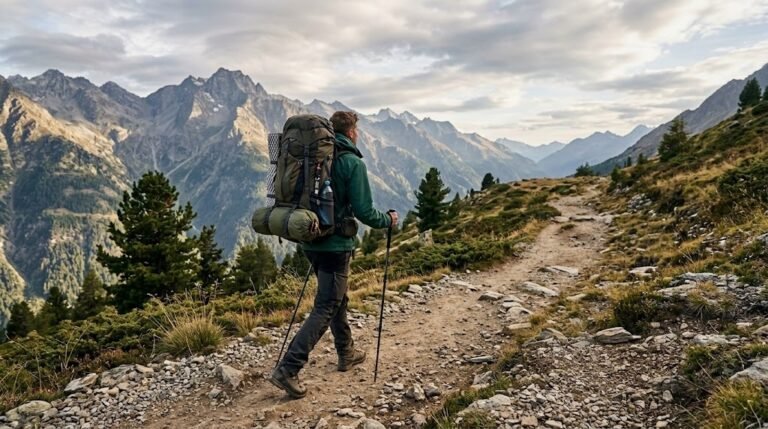
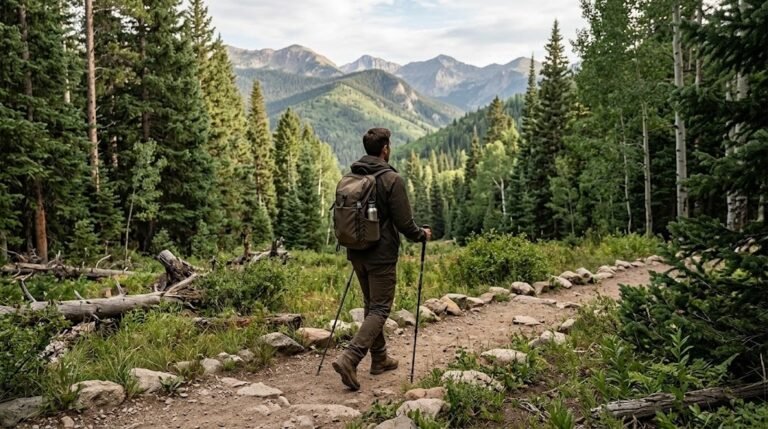
- Trekking poles
- Camera
- Lightweight sit pad
- Small towel
- Insect repellent
- Binoculars
- Portable water filter
- Small repair kit
- Extra snacks
- Lightweight backpack rain cover
Think about whether each item solves a realistic problem on your particular trail.
If an item is unlikely to be used and adds significant weight, leaving it at home may be the better choice.
What Not to Overpack
Beginners sometimes make the mistake of treating every hiking checklist online as a mandatory equipment list.
You do not necessarily need expensive technical gear for a simple day hike.
Avoid packing:
- Multiple unnecessary clothing changes
- Heavy equipment you do not know how to use
- Excessive food for a short hike
- More gadgets than you need
- Large amounts of duplicate equipment
- Bulky items that have no clear purpose
A useful question is:
“What problem does this item solve?”
If you cannot identify a realistic reason for carrying something, reconsider whether it belongs in your backpack.
At the same time, do not reduce your pack so aggressively that you remove basic safety essentials.
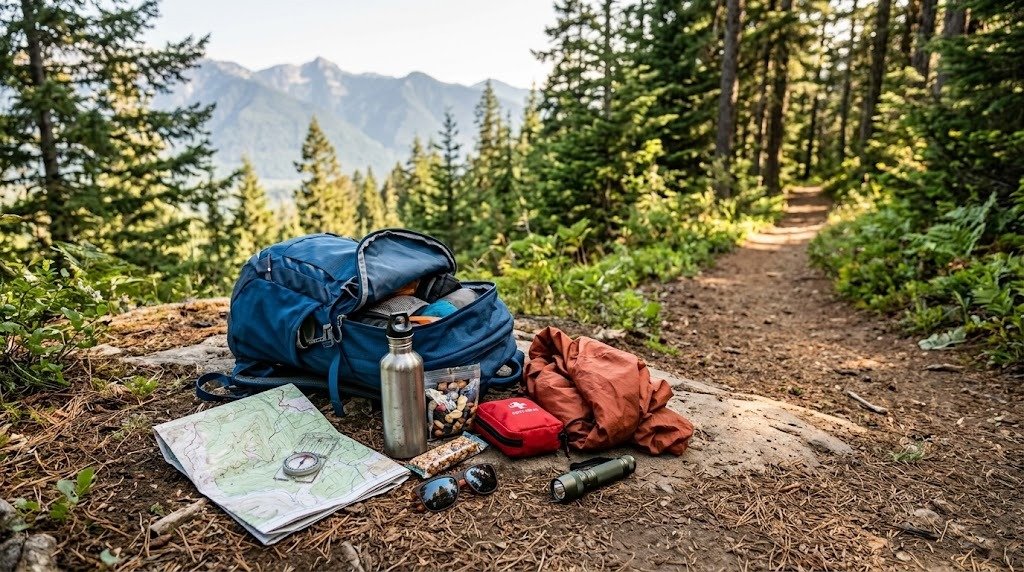
Complete Day Hike Checklist
Use the following checklist as a starting point and adjust it according to the trail.
Essential
- ☐ Water
- ☐ Food or snacks
- ☐ Phone
- ☐ Navigation information or offline map
- ☐ Basic first-aid supplies
- ☐ Appropriate footwear
- ☐ Weather-appropriate clothing
- ☐ Sun protection
- ☐ Identification and emergency contact information
- ☐ Small backpack
Recommended
- ☐ Rain jacket or weather shell when appropriate
- ☐ Extra socks
- ☐ Headlamp or flashlight
- ☐ Power bank
- ☐ Emergency blanket
- ☐ Whistle
- ☐ Extra snack
- ☐ Physical map and compass for appropriate routes
- ☐ Basic repair supplies
- ☐ Insect repellent when needed
Optional
- ☐ Trekking poles
- ☐ Camera
- ☐ Binoculars
- ☐ Lightweight sit pad
- ☐ Water filter or treatment method
- ☐ Backpack rain cover
- ☐ Small towel
- ☐ Extra comfort items
The list is intentionally flexible. For a short, popular trail, some recommended and optional items may not be necessary. For a remote or demanding route, some of them may become much more important.
Final Packing Tips
Before leaving home, take a few minutes to review your plan.
First, check the weather and consider how conditions could change during the day. Then confirm the trail distance, expected hiking time, terrain, and whether reliable water is available.
Charge your phone, download maps, and tell someone your route when appropriate.
Finally, place frequently used items somewhere easy to reach. Water, snacks, sunscreen, and a rain layer should not be buried underneath everything else in your backpack.
Remember that good hiking preparation is about appropriate preparation rather than maximum equipment. A sensible day-hike pack should provide the essentials without becoming unnecessarily heavy.
As you gain experience, you will learn which items are genuinely useful for the trails you visit most often. Build your packing routine around the specific conditions of each hike rather than following one rigid checklist every time.
For more practical preparation advice, explore EarthTrek’s hiking guides covering hiking safety, beginner hiking tips, and what to do in a hiking emergency.
The best day hike is one where you are prepared for the realistic conditions, know your route, carry the essentials, and can enjoy the trail without carrying unnecessary weight.